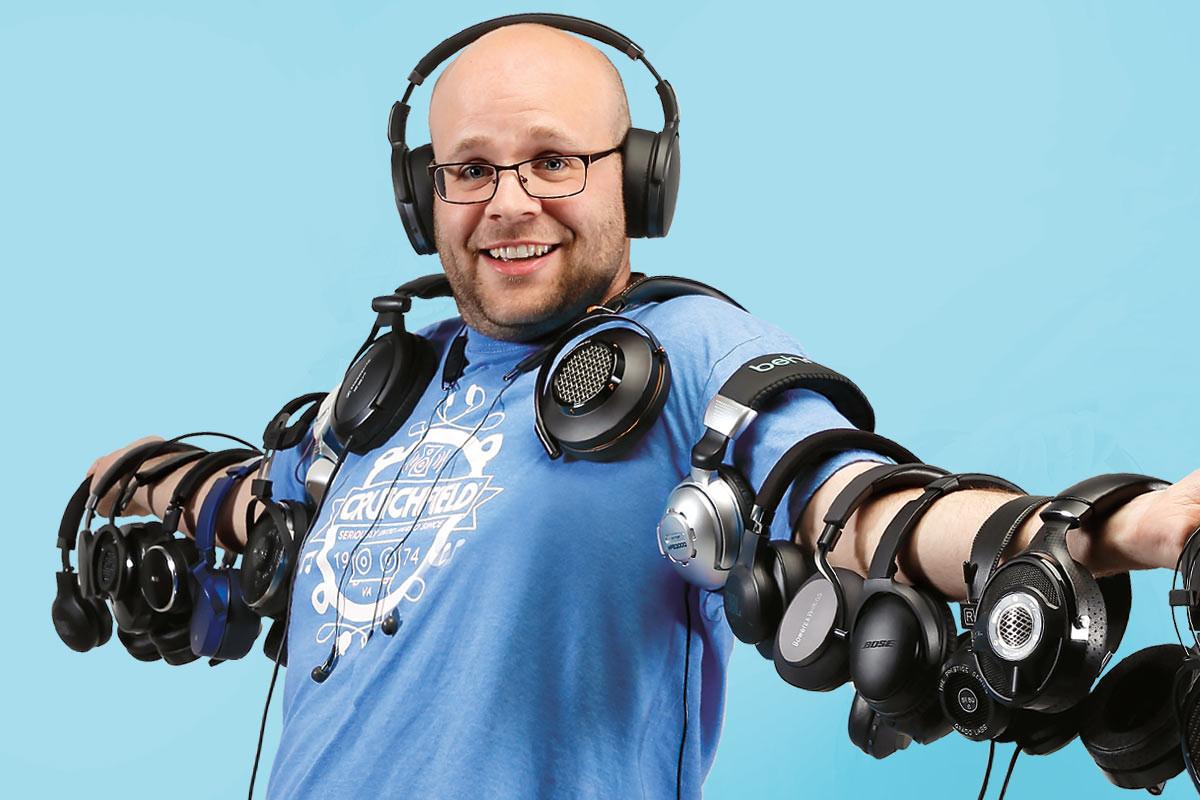
Jeff's headphone buying guide
Find the best pair of headphones, with our expert's advice

In this article: Our headphone expert Jeff covers everything you need to know to find the right set of headphones, including...
- Headphone fit styles
- Wired vs. Wireless headphones
- Headphone features to look for
- Popular headphone types for different uses and situations
...plus, some advice on how to get better sound from your headphones.
T
here's no shortage of headphones out there. We offer more than 250 different models, spanning all types of styles, colors, and features.
So how do you find the best headphones for you? I've written about and tried lots of headphones, so I can help you narrow down your choices.
I spend many hours a week writing about and listening to headphones. Read on for my advice on choosing the perfect pair.
The right headphones for the situation
Here’s the most important thing to think about: how and where you plan to use headphones. Different headphones work better in different situations. In the sections below, I’ll take you through the main styles, categories, and uses, and point out some features to look for.
Headphone fit styles
First, there are some basics you should know about fit. There are three different headphone form factors to consider: Over-ear headphones, which surround the ear completely, on-ear headphones that rest on top of the ears, and in-ear headphones — or earbuds — that fit securely inside the ear opening or canal.
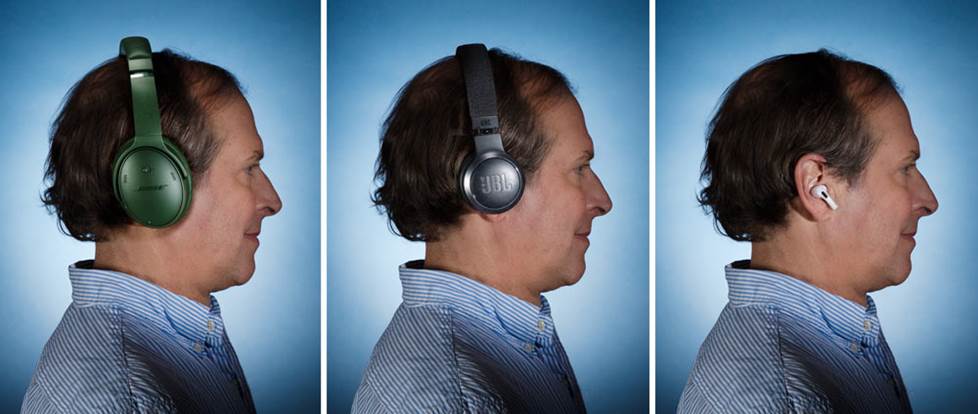
Which headphone style is right for you?
In-ear headphones
Earbuds are the most portable style of headphones — great for traveling light and on-the-go listening. Right now, the two most popular in-ear options are true wireless earbuds and wired in-ear monitors (IEMs). IEMs feature high-performance drivers and are primarily designed for stage and studio use, but have developed a following among discerning listeners, too.
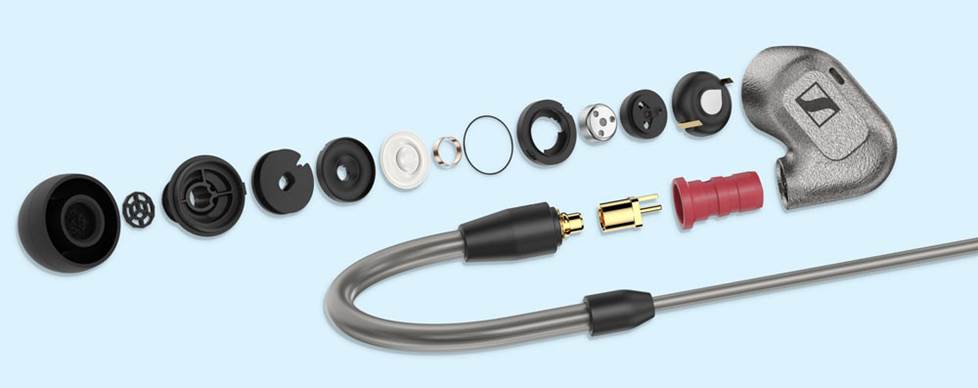
High-performance wired IEMs like the Sennheiser IE 600s use an intricate series of drivers, filters, and air chambers to deliver detailed, accurate sound.
There are distinctions when it comes to exactly how different earbuds fit, too. Some fit deep into the ear canal to make a tight seal while others rest just inside the ear. Some feature hooks or wraparound cables to better keep them in place. And most include a variety of different-sized ear tips, so you can find a comfortable, secure fit.
Over-ear headphones
Since over-the-ear headphones are larger than earbuds, they have more room to fit drivers, microphones, and important circuitry. So that generally leads to better sound and, when applicable, things like stronger battery life and noise cancellation. And I still prefer over-ear headphones when I know I'll be listening for a long period of time.
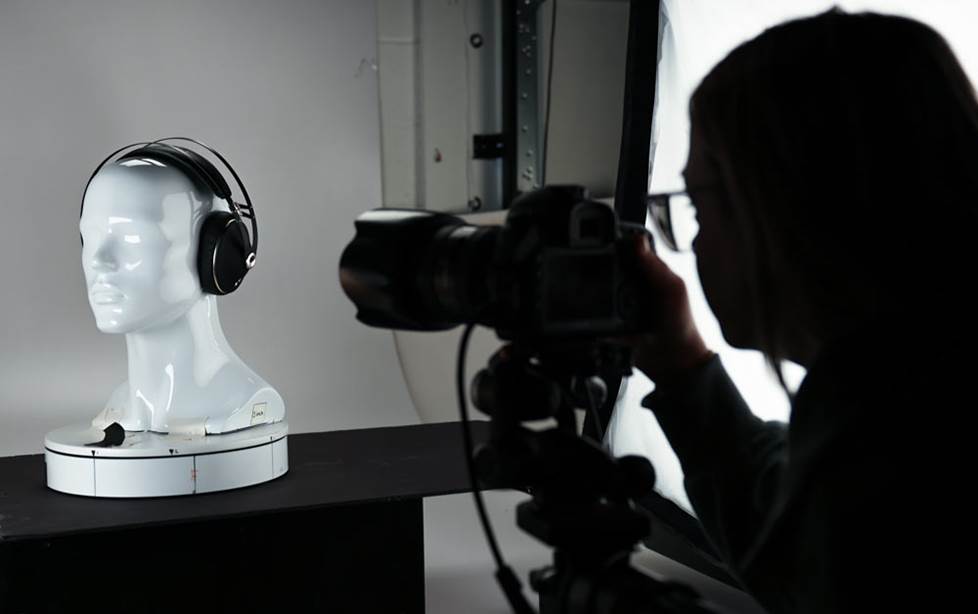
We've taken photos of many on-ear and over-ear headphones on a mannequin to show scale — find them on our product pages.
Over-ear headphone designs and earcup sizes can vary greatly. Some are streamlined and built for travel, while others sport giant earcups that can engulf your whole head. These supersized headphones house extra-large drivers inside a roomier chamber and are designed for focused listening.
Open-back vs closed-back
This choice often boils down to "where do you usually listen to headphones?" At home, in a room where you won't disturb others? Or in a crowded place like an office or bus?
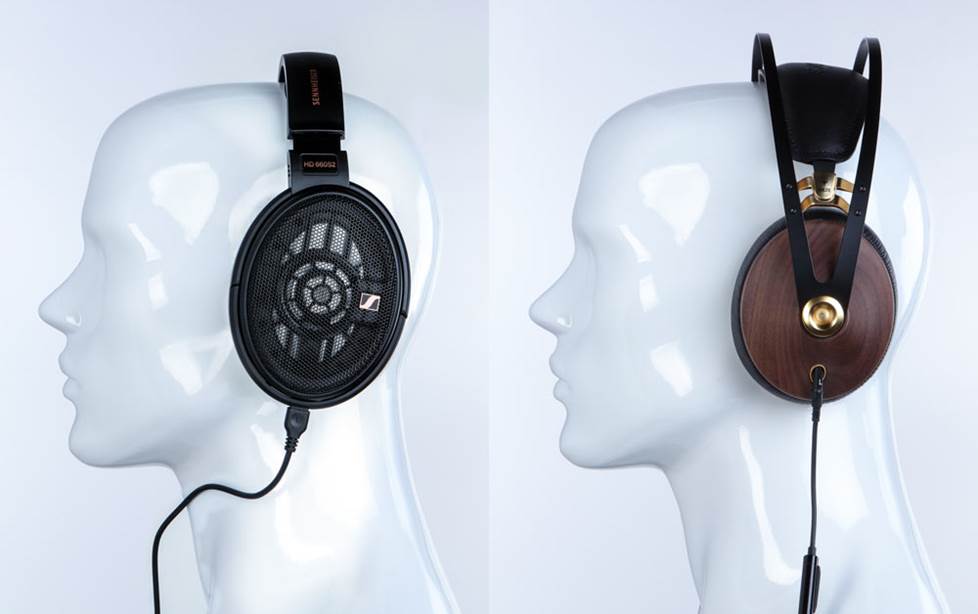
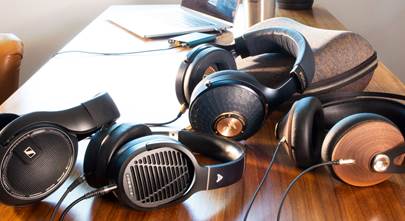
The open-back Sennheiser HD 660S2 headphones and the closed-back wooden Meze 99 Classics headphones.
Comfort and "Fit Factors"
Headphones are unlike most products we carry at Crutchfield. Sure, when choosing any audio gear, it's ultimately about personal preference. But much like shoes or clothing, how your headphones feel plays a big part in how much you'll enjoy them.
Years ago, we completed extensive in-house comfort testing that informed our top 5 most comfortable headphones article. We invited a group of 20 Crutchfield employees to try on more than 50 over-ear headphones, over the course of several sessions. It's how we developed the list of fit and comfort elements we call "Fit Factors."
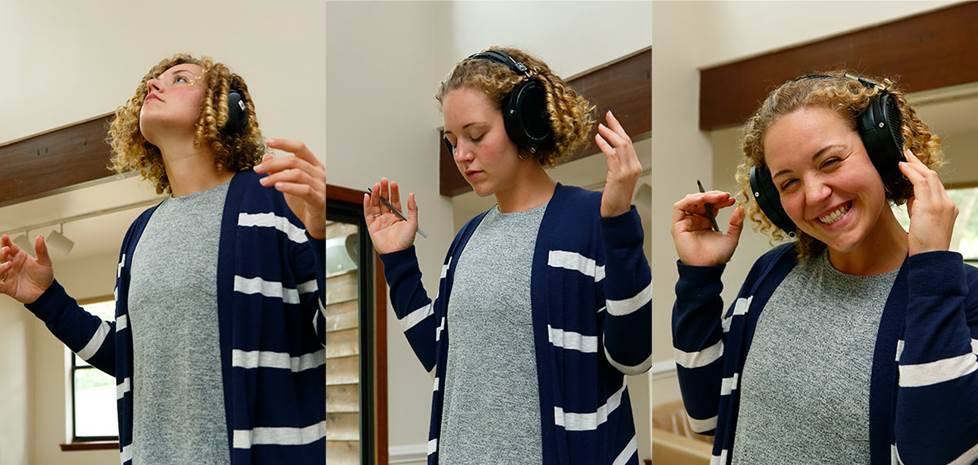
Our employees (like Britney from Marketing) tested over 50 headphones specifically for comfort and fit.
If I’ve had a test run with a pair of headphones, I'll list the three most significant Fit Factors for that model. It could be the perceived weight, size, or whether they fit relaxed, snug, or somewhere in-between.
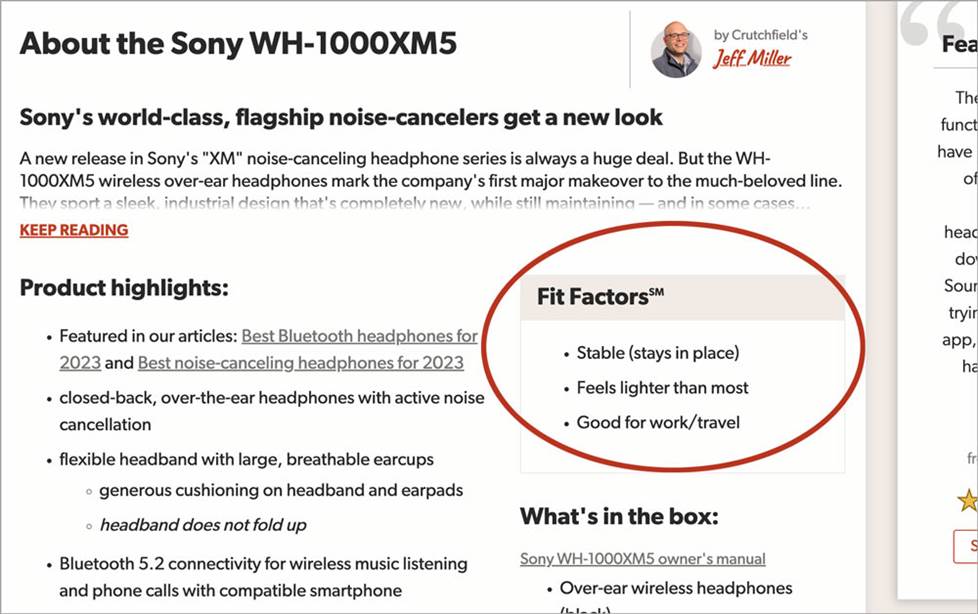
If I've worn a set of headphones, you'll find Fit Factors on the Crutchfield product page.
Of course, sometimes the more you wear headphones, the better they feel — our 60-day return period gives you time to try them out.
Wired vs wireless headphones
Most of our top-selling headphones right now are Bluetooth headphones. Probably not a shocker. They let you listen to music without connecting a wire to your phone — where most of us keep our music and podcasts. That makes them super convenient.
Plus, Bluetooth's sound quality and reliability have greatly improved over the past four or five years. Anything Bluetooth 5.0 and above will generally give you a greater wireless range and faster data transfer rates. I can typically keep my phone on my home office desk and walk clear across my basement wearing the headphones — without audio dropout.
Check out our best Bluetooth headphones of the year.
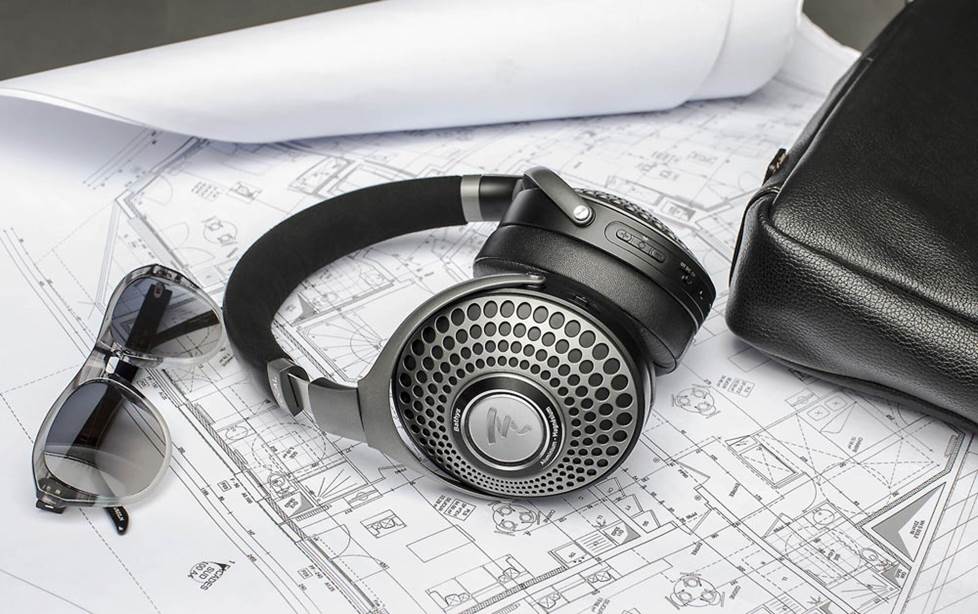
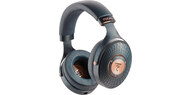
Audio quality over Bluetooth has grown by leaps and bounds. Case in point: the Focal Bathys, named our "best-sounding" wireless headphones.
Even so, audio purists often prefer wired headphones to deliver the best possible sound. And the highest-end headphones rely on a wired connection. When I'm not checking out a new pair of headphones at my desk, my go-to listening rig includes a pair of wired over-ears.
See my picks for best wired headphones of the year.
True wireless earbuds
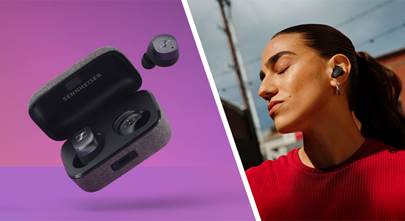
This is our fastest growing headphone category. For many of us, true wireless earbuds have become part of the everyday routine. It's so easy to pop them in and listen to music or podcasts while you go about your day. Plus, their charging cases can bank hours of power for recharging.

True wireless earbuds, like the JBL Tour Pro 3s, come packed in a case that can bank hours of power to recharge the headphones.
You can slip them right into your pocket or bag, so they're easier for travel, too. AirPods are still the most well-known, but you'll find some excellent alternatives from Sony, Bose, Sennheiser, and other top brands in my list of the year's best true wireless earbuds.
Headphone features to look for
A lot of headphones do way more than just play music these days. Some are packed with cutting-edge technology, intuitive controls, powerful mics, and more. Here are some of the most popular and convenient headphone features.
Active and adaptive noise cancellation
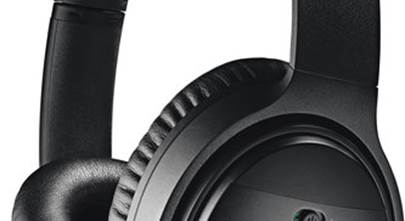
Noise-canceling headphones are extremely useful for blocking out loud distractions during work, travel, or your commute. I strongly recommend them for air travel and personally won't step on a plane without them. They can block out the plane’s engine drone so you can watch movies or listen to music at safer volumes.
These headphones take canceling noise a big step further than a noise-isolating seal. They use internal circuitry to neutralize the sound around you. Some let you make manual adjustments, while others offer "adaptive" noise cancellation that reads the level of external noise and adjusts itself in real time.
Many customers associate noise-canceling headphones with Bose, who pioneered and popularized the category. I actually had a chance to interview legendary Bose engineer Dan Gauger, who was there from the beginning. He told me the whole fascinating history of noise-canceling headphones, from Dr. Amar Bose's original concept in the late '70s through today.

The latest Bose QuietComfort Ultra earbuds cancel noise better than any other in-ear headphone I’ve ever tried.
But Bose is no longer the only game in town. In fact, Sony's juggernaut Sony WH-1000XM5s are our top-selling over-ear headphones. (I spoke to Sony's industrial design team about their creation.) Here's my video review of these "jack-of-all-trades" noise-canceling headphones:
Check out all my picks for the best noise-canceling headphones of the year.
Awareness or transparent mode
Many noise-canceling headphones these days offer a feature to help you stay aware of your surroundings. You'll see the feature called "Awareness," "Transparent," "Speak thru," or something similar. It uses the same built-in microphones as the noise-canceling circuitry to pick up external sounds, so you can hear them without removing the headphones.
Some headphones take it a step further by focusing in on voices and speech. Or, they might offer a mix of noise cancellation and "awareness" that can drown out obnoxious sounds (like construction), but elevate traffic noises and other sounds important for safety.
Smartphone controls/mic
Speaking of built-in microphones, a lot of headphones let you make or take calls. That also includes hopping on a Zoom, Skype, or Microsoft Teams meeting. If you're working from home, using headphones is a good way to keep virtual office meetings — or FaceTime conversations — more private.
Bluetooth headphones often have touch or on-ear controls, and many wired headphones have a built-in remote/mic. They can give you control over music, calls, volume, and key functions like noise cancellation, aware mode, or your phone's voice assistant.
Mobile apps for greater control over sound and more
Many wireless headphones these days have an accompanying app for your phone or mobile device. I find them especially useful with true wireless earbuds. Some apps can help with the wireless pairing process, let you adjust the EQ settings, or customize the sound to your preference or use.
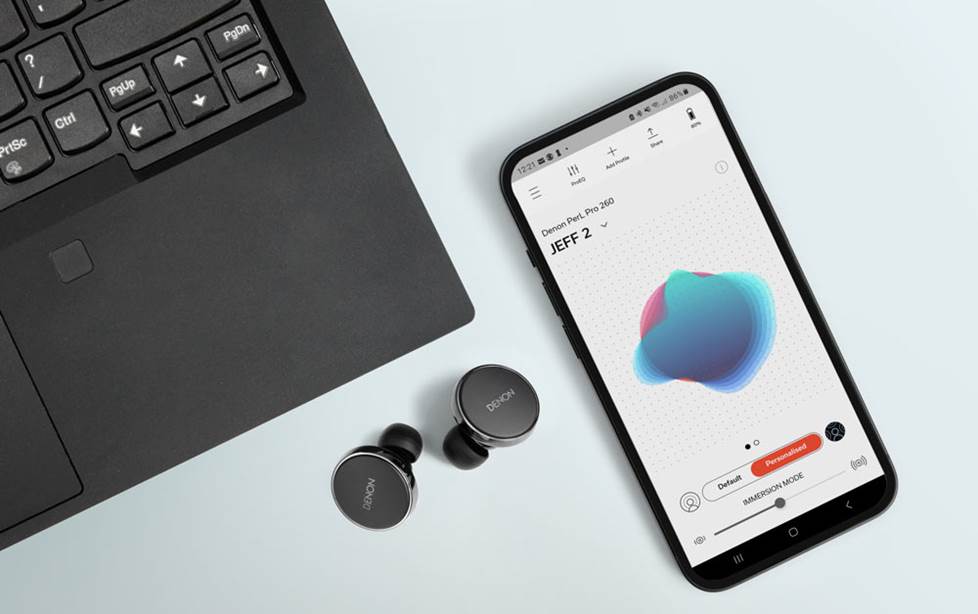
Denon's PerL earbuds feature an app that walks you through a personalization process to tailor the sound to your hearing.
There are others that take personalization one step further. They may allow you to adjust the level of noise cancellation and transparency/awareness. Some will even calibrate the sound to your specific ears — by sending out test tones to measure your hearing and optimizing the frequency balance.
Types of headphones
Many of our customers have multiple sets of headphones dedicated to one purpose or another. Here are a few of the most popular types of headphones.
Sport headphones
Sports earbuds have a durability rating of IPX4 or above, meaning they're sweat- and water-restitant. Some meet even higher standards and are fully dust- and waterproof. (Learn more about IP ratings and certifications.)
While comfort and fit are important for all headphones, they are absolutely crucial when you're running and exercising. You need your earbuds to stay put while you move around. And sonically, a tight seal also leads to stronger, more consistent vocals and bass.

The Sony LinkBuds Open offer true situational awareness with a unique, completely open-air design.
Finally, safety is paramount when you're running in public. Sports earbuds often have a transparency mode or offer other ways to stay aware of your surroundings. That includes a few with open-back designs — not nearly as common in earbuds.
See our top workout headphone picks.
Gaming headphones
Some video games are considered works of art — an innovative, immersive, and interactive way to tell a story. With all the time and effort that goes into make these games look and sound as good as possible, there should be headphones that can do them justice.
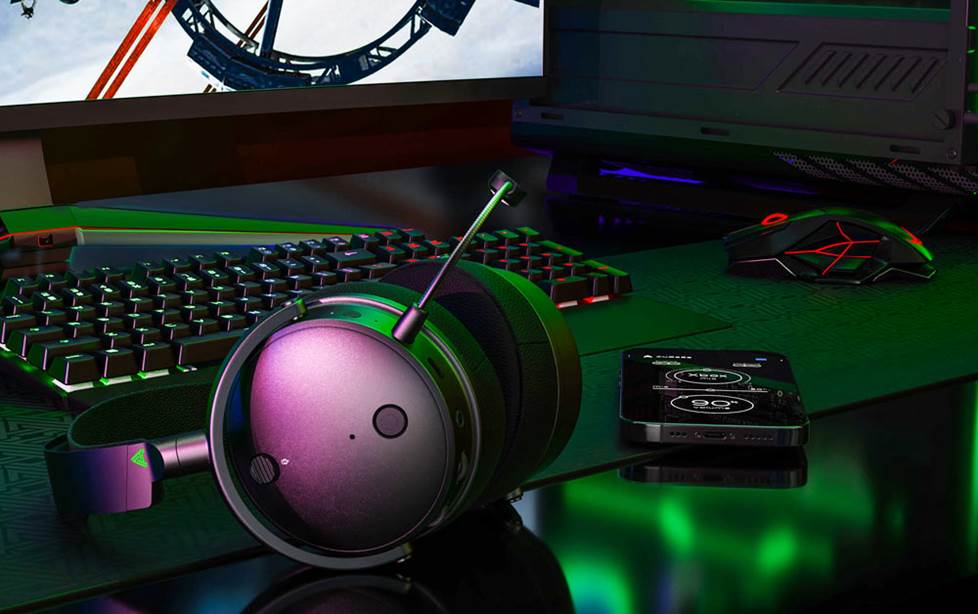
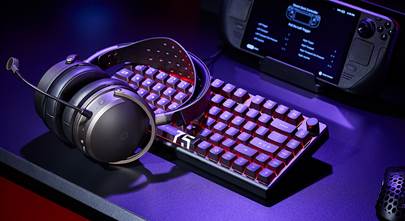
A good set of gaming headphones provides crisp, detailed sound and clear directional cues for an immersive experience, plus a mic for communicating with teammates.
Most gaming headsets feature surround sound processing to give you an immersive gaming experience. Some also give you a competitive advantage: you can hear spatial cues or opponents trying to sneak up from behind.
Gaming headsets usually include a boom microphone so you can communicate with teammates — or trash talk opponents — more clearly. In some cases, the mic is detachable.
Check out our gaming expert Colin's picks for the best gaming headsets.
Wireless TV headphones
There are two main reasons people ask our Advisors about TV headphone systems: either they are hard of hearing, or they want powerful TV sound without disturbing neighbors or family members.
So, can you use any Bluetooth headphones for TV? Many newer TVs can send a Bluetooth signal, so it is a legitimate option. But while the technology is getting better, there are still shortcomings with reliability, range, and latency. Dedicated wireless TV headphone systems tend to outperform Bluetooth headphones in these areas.
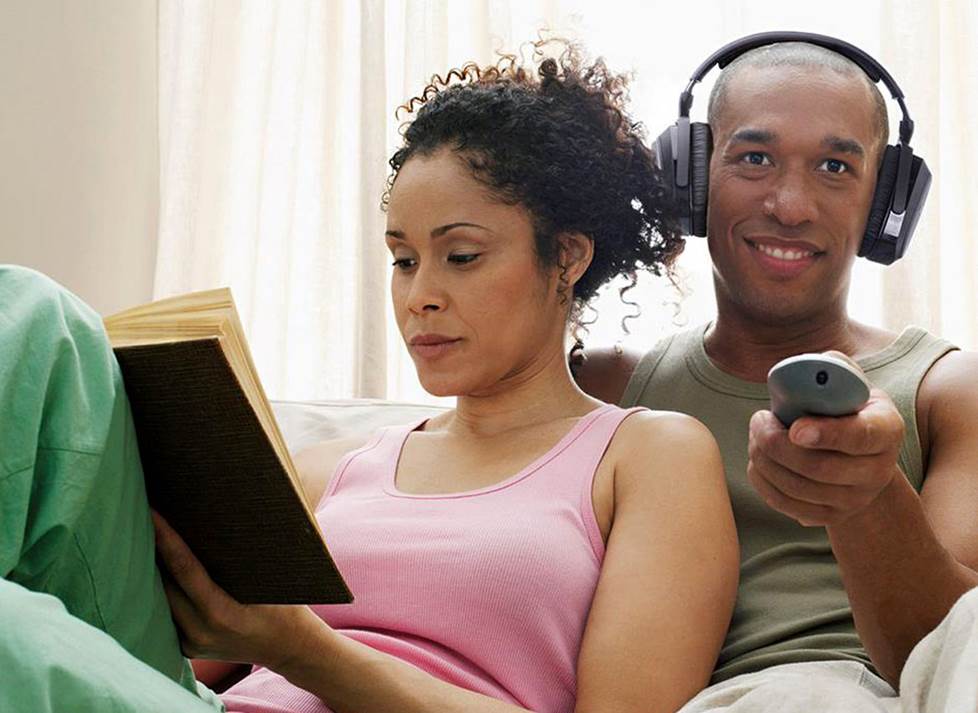
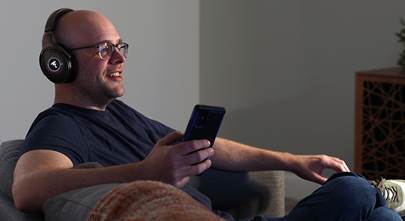
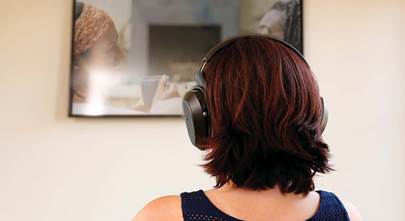
Watch TV at the volume you want to, without disturbing others.
A transmitter connects to your TV or stereo and beams sound wirelessly to a set of headphones — perfect for late-night viewing. I think Sennheiser's line of transmitter-based headphones are the most reliable TV headphones. These were the ones I gave my grandmother when she was having trouble understanding speech and dialogue in her shows.
See our current picks for Best wireless TV headphones.
Audiophile headphones
In the end, like with all audio gear, it's really all about the sound. And there is a growing category of headphones primarily designed for optimal sound. In turn, there's a growing culture of discerning listeners and headphone aficionados centered around these audiophile headphones.
I personally prefer listening to a great pair of headphones over a nice pair of speakers. I just love the absolutely unfiltered connection you can get to an artist, song, or performance when you have the right headphone setup. You can really sink your teeth into the clear, dynamic sound that top-flight headphone drivers can deliver.

There's a growing culture centered around high-performance headphones, perhaps best exemplified by the traveling CanJam personal audio shows.
The most-respected headphone manufacturers all bring something a little different to the table. There are all types of different earcup materials, headband styles, and driver philosophies (like soft or stiff dynamic, planar magnetic, electrostatic, and ribbon in over-ears, or dynamic and balanced armatures in IEMs). Some brands to look for include Sennheiser, Audio-Technica, Focal, Meze Audio, Grado, Dan Clark Audio, and Audeze.
Connectivity options
Most — but not all — sonically superior headphones are wired. Different models use different headphone plugs. The most common sizes are 1/4" stereo or 3.5mm stereo mini. There are also "balanced" connection options (like XLR4 or the newer 4.4mm Pentaconn) that are generally better at reducing noise and interference.
Just make sure your connection matches with your music source or amplifier. The good news is you can usually find an adapter if you need one.
See my top audiophile headphone picks.
Headphone amps and DACs
Wired audiophile headphones generally aren’t the grab-and-go type, designed for use with your phone. For one thing, you don't want to rely on your computer or phone's digital-to-analog converter (DAC). An outboard DAC can squeeze out every musical detail — soft or powerful — from a recording.
And their special drivers often require more power to perform their best. A Headphone amplifier can make a world of difference. I usually notice more overall clarity and musical transparency — but also more muscle, control, and punch.

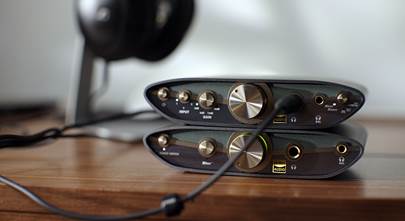
The compact yet robust iFi ZEN DAC 3 and ZEN CAN 3 headphone amp/DAC combo can drive premium wired headphones of all shapes and sizes.
Most of the headphone amps we offer actually feature a built-in DAC, but not all. So while they're deeply intertwined, we cover them in separate "best of the year" articles — one for the best headphone amps and one for the best DACs.

Have questions about any of the headphones we carry — from value-packed earbuds to this $40,000 electrostatic system? Just give us a shout!
Need more help picking the right headphones?
We've put together lists of sure-fire winners based on our own hands-on experience and customer feedback. Take a look at our full list of "best headphones" articles.
Or, reach out to our Advisors. They can help you sift through all the headphone choices and make a decision.





Lenton
Posted on 1/29/2023
Jeff, are there any modern headphones that offer the dead neutral, flat response of the (70's) KOSS ESP 6 (or 9) electrostatic? I keep a pair of these antique "3 pounders" around to remind me what a "lack of sound" REALY sounds like. Although they are somewhat reserved above 5K, I have yet to experience a more enjoyable "neutrality" and clean, deep undistorted bass. Possibly too vintage for your youth, but I have spent 40 plus years searching for a comparable sonic clarity without all the rig-a-ma- role of an external amplifier required to drive these things - and I do mean a real amplifier (of several watts), not just a headphone amp. I currently use the HD800 S, which have great detail, at the expense of being overly bright. I recently purchased the HDV 820 headphone amp (from Crutchfield) hoping to improve the bass response, only to experience greater detail, which made them sound even "brighter". HELP! Is there nothing out there that can reproduce a dead neutral, nuanced presentation without all that brilliant high end. The sky is not the limit; but I will seriously consider any suggestions.
George from Eldersburg, MD
Posted on 12/21/2021
Jeff- I like your "fit options " figure but aren't there two types of "in the ear" models? There is the type that literally gets pushed into the ear canal and others that just block the ear opening. All the in-ear versions you show are the former type. I *think* the apple ones are the latter type. I don't like sticking the bud into ear. Can you highlight the options for the other in-ear model? Thanks. George
Jeff Miller from Crutchfield
on 12/22/2021
We have a few models that kind of "rest" inside the ear versus fitting deep into the canal. Along with the AirPods, this style is most associated with Bose earbuds. They have super soft ear tips that still create a nice seal, but don't go deep into your ear. They are secured into place with special wings. But there are other options, so I'll have one of our Advisors follow up with you directly.
John from Covington
Posted on 5/24/2021
Should I buy bose or other wireless earbuds? Budget 300 max.
al
Posted on 2/18/2021
need help. after much research, even more confused. sound quality number one concern. comfort and cost also important. looks like over ear, open back best choice. since use will be in living room, no one around to annoy. wired fine, wireless ok if sound reproduction doesn't suffer. noise cancelling and talk features probably not needed. using older component system, but plan on upgrading soon. guess im looking for basic high quality headphones that can grow with system. old school classic rocker.
Jeff Miller from Crutchfield
on 2/23/2021
David C from Westover MD
Posted on 2/5/2021
Hello Jeff, Thanks for all the great info and research you've done. What headphone (open back with cord) & Amp (with DAC) combo would you recommend for mostly classical and jazz streamed through a service like Spotify (using the higher audio bit rates)? This will be in a dedicated listening area so the amp doesn't need to be mobile. And here's the bottom line...somewhere in the $600 range. Thanks
Jeff Miller from Crutchfield
on 2/5/2021
One combination I really like in that price range is the Audeze LCD-1 planar magnetic headphones connected to the iFi ZEN DAC. I'd put it up there with rigs that cost twice as much. (Keeping it in the family, the more portable iFi hip-dac drives the LCD-1 really well, too.)
Planar drivers handle the dynamics in classical music really well -- the loud and quiet moments. Plus you get a sizable soundstage and spot-on imaging, where you can really pick out the instruments and how deeply layered they are in the performance. And the bass boost on the iFi amp/DACs gives you that nice low-end punch.
Enrique Fajardo from Miami
Posted on 1/16/2021
Hello Jeff, I want to buy headphones to be able to listen to the movies from the TV. Which one can you recommend me please
Jeff Miller from Crutchfield
on 1/19/2021
David Bergonia from Kenilworth Ill
Posted on 12/18/2020
Jeff I am looking at buying the Sennheiser HD 800s and am confused about whether i need to also buy a headphone amp or a combo headphone amp/DAC. i most want to use them to listen in my den using my fixed stereo equipment. I have a Bryston B 60 integrated amp and an Arcam CD 72 CD player. Both are about 20 years old but were high end at the time. Do i need a headphone amp to power the Sennheisers or will the Bryston do it? I guess the other question if your answer is the Bryston will power them is whether without an amp i would lose a lot of the sound capability from the Sennheisers i am are paying for? thanks dave Chicago
Jeff Miller from Crutchfield
on 1/4/2021
peter e gross from baltimore
Posted on 9/13/2020
i want those headphone u have on your head
Ralph Jack from Felton
Posted on 5/31/2020
Hi Iam a paranormal investigator and looking for a good pair of headphones not sure if I need A covered ear or an inner ear headphone ?? I need something that can pick up sounds you normally can't here. Sensitive to any sound. It's amazing how on some headphones I hear more sounds than others tired of wasting money on headphones I can't use any suggestions please!! Thanks
Jeff Miller from Crutchfield
on 6/1/2020
Lee from Seattle
Posted on 4/30/2020
Have you studied aviation headsets? Bose, Lightspeed, etc.
Jeff Miller from Crutchfield
on 4/30/2020