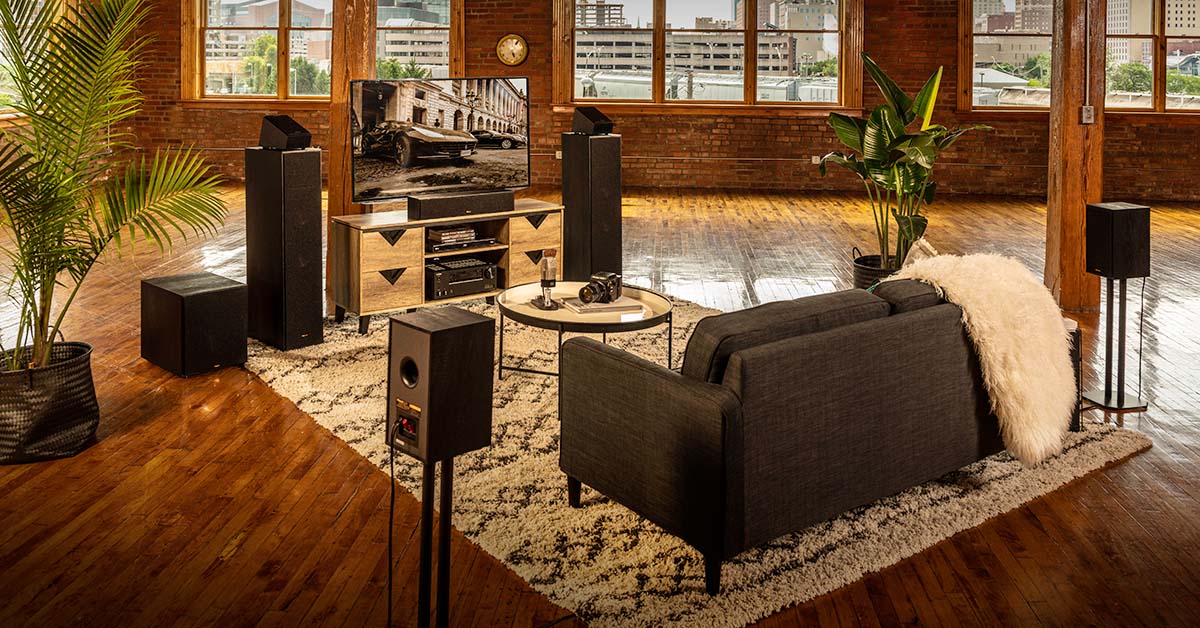
Speaker placement for home theater
5.1, 7.1 and other surround sound setups

In this article: We'll show you where to place your home theater speakers for the best surround sound...
- Front speaker placement tips
- Center channel placement tips
- Surround speaker placement tips
- Speaker layouts for 5.1 and 7.1 surround sound systems
- Speaker layouts for 5.1.2 and 5.1.4 Dolby Atmos surround sound systems
...And we’ll also look at some simple ways to improve performance — even in challenging rooms.
Just unboxed your new home theater speakers? You’re in the right place! Let’s talk about where to put them to get the best sound and most fun out of your system.
Why is speaker placement important?
I know it can be tempting to put your speakers where they look the best in your room. And let’s face it, sometimes we’re limited with how much redecorating we can do! But if you have some flexibility with where your speakers can go, you’ll almost certainly improve how they sound.
Front left and right speaker placement
Your front speakers are the foundation of your surround system, so we’re going to focus our efforts here first. Our goal is to create a wide, immersive soundstage with excellent separation between each channel.
The key to a good soundstage is having enough distance between your front left and right speakers. Ideally, they’ll be spaced about as far apart from each other as they are from you. If that’s not feasible it’s okay — even small increases in separation between the front channels will improve your system’s performance.
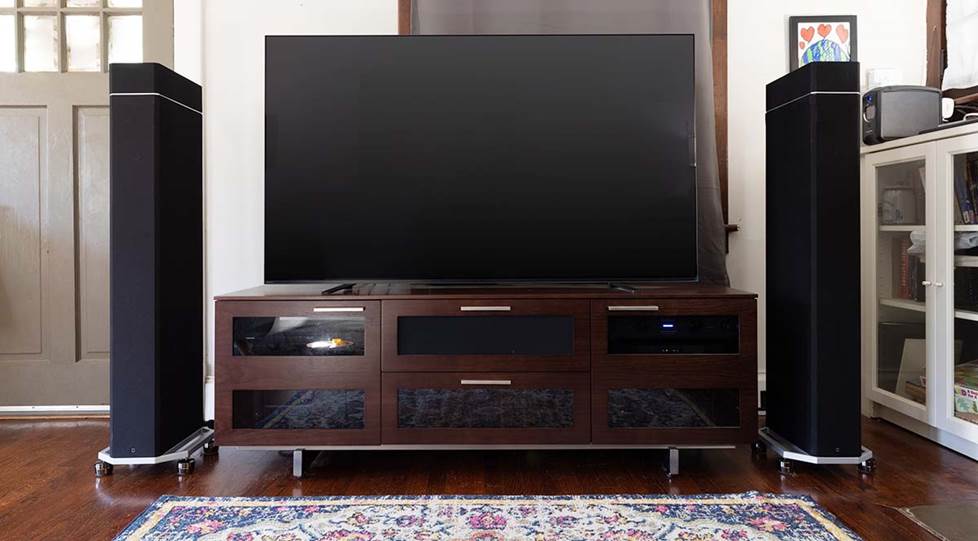
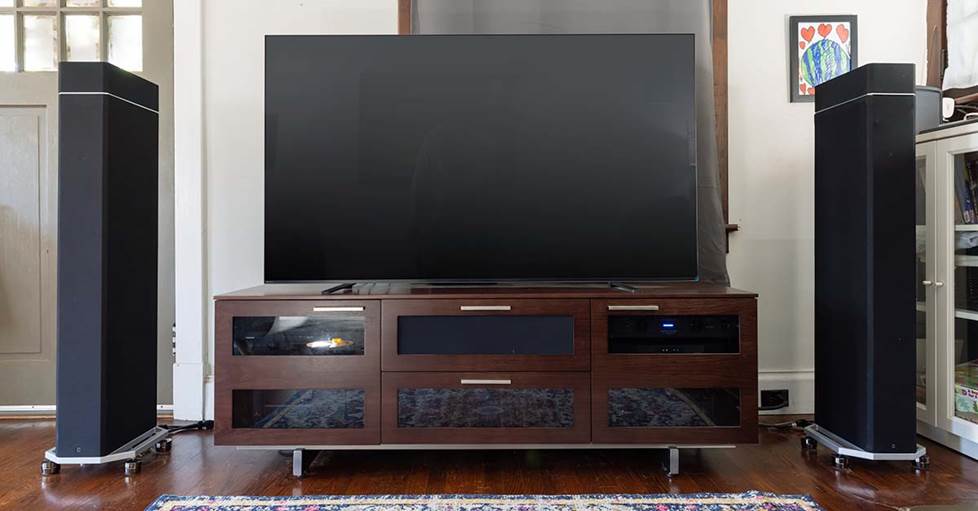
A simple placement change can widen and strengthen your home theater's soundstage.
Let your ears be the judge
Experiment with how far your front speakers are from the wall. The closer they get, the more that bass is reinforced. That can be good to a degree. But your overall sonic performance can improve if your speakers are pulled away from the wall — try a few different positions to see which sounds the best.
I’ve found that playing a familiar song or movie clip is a good way to get new speakers dialed in. Listening to the same passage after each adjustment helps me gauge how much of a difference a particular change in positioning made.
Create a listening “sweet spot”
Once your front left and right speakers are in place it’s time to focus their sound at your main listening position — typically the center seat in front of the TV. This is often referred to as the listening “sweet spot,” because it offers the best sound in the room.
Some speakers sound their best facing straight forward. Others benefit from being angled inward toward you. Check the owner’s manual of your speakers for “toe-in” instructions — many companies indicate their preferred angle for the best sound.
Regardless of the angle of your speakers, your tweeters will sound their clearest if they’re at the same height as your ears when you’re seated.
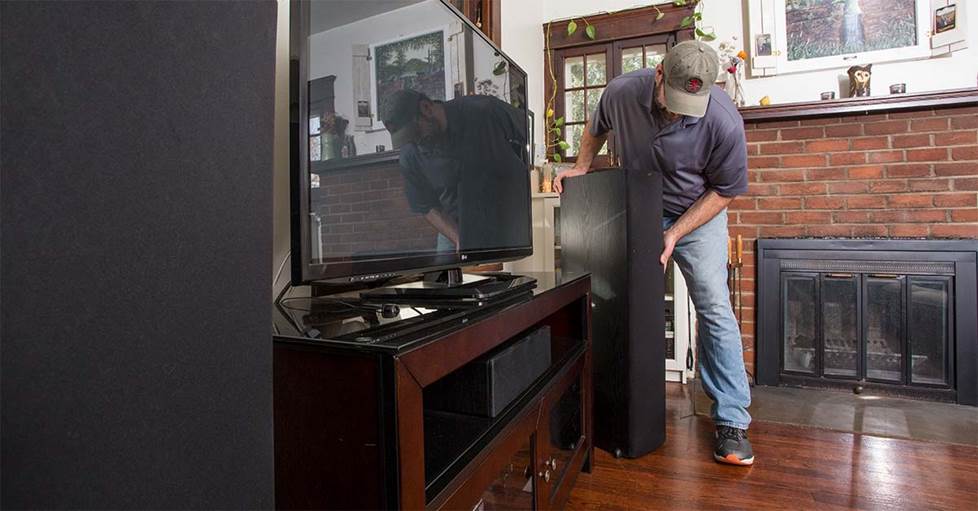
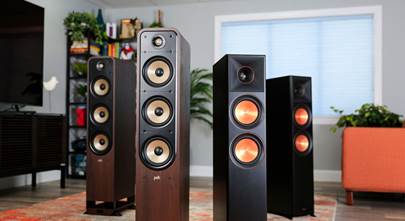
Here I am adjusting a pair of Polk Audio floor-standing speakers to focus their sound at my seat.
Center channel placement
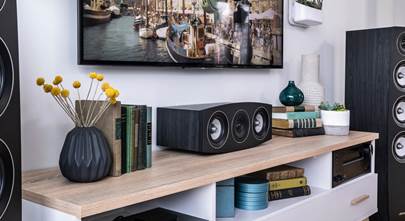
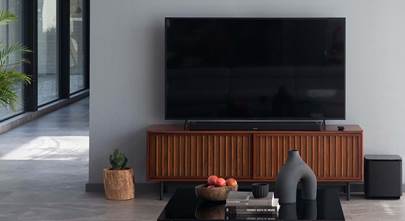
Place your center channel right above or below your TV, and line it up with the midpoint of the screen. If possible, tilt it to direct the angle of the tweeter toward your ears.
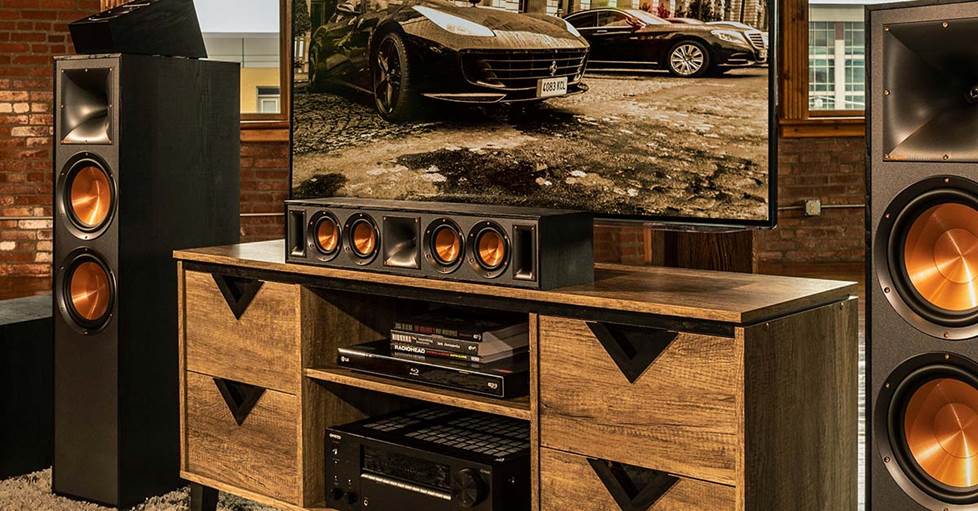
Depending on its size, your center channel can go on top of your A/V cabinet, on a lower shelf, or even be mounted to the wall.
Surround speakers placement
What makes the home theater experience so much fun? For me, it’s when my emotions and imagination are completely engaged with what I’m watching. As in, I forget I own a smartphone kind of immersion.
Well-placed surround speakers are key to making this possible. You can place yours on speaker stands, or you can mount them to the wall. Let’s look at some common system layouts.
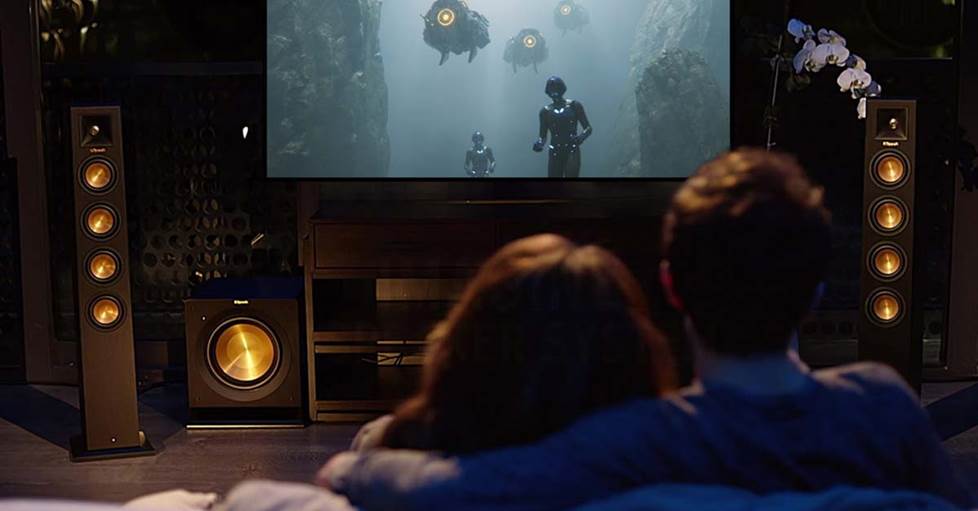
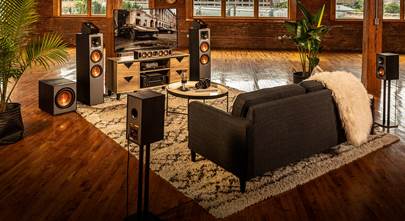
A well-placed surround system can transport your imagination to another world.
5.1 surround sound
In a 5.1 system your surround speakers are best placed to the left and right of your listening position. Space them apart the same distance as your front speakers (or a little wider), and face them toward you.
If side placement isn't practical, place your surround speakers a few feet behind your listening position and angle them toward you. Here are my top tips for a clean installation.
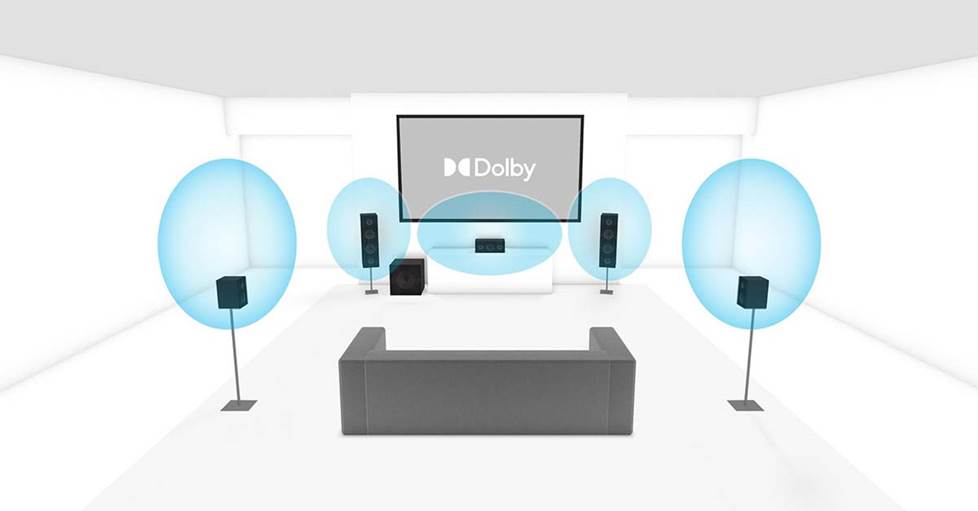
In a 5.1 system your surround speakers are best placed to the left and right of your listening position. Aim them directly toward you for the best sound.
7.1 surround sound
In a 7.1 system the side surrounds go to the left and right of your seating position and face you. The rear speakers go behind your seats, angled in.
Your surround channels should at least be at ear level, and can sound even better when elevated by a foot or two.
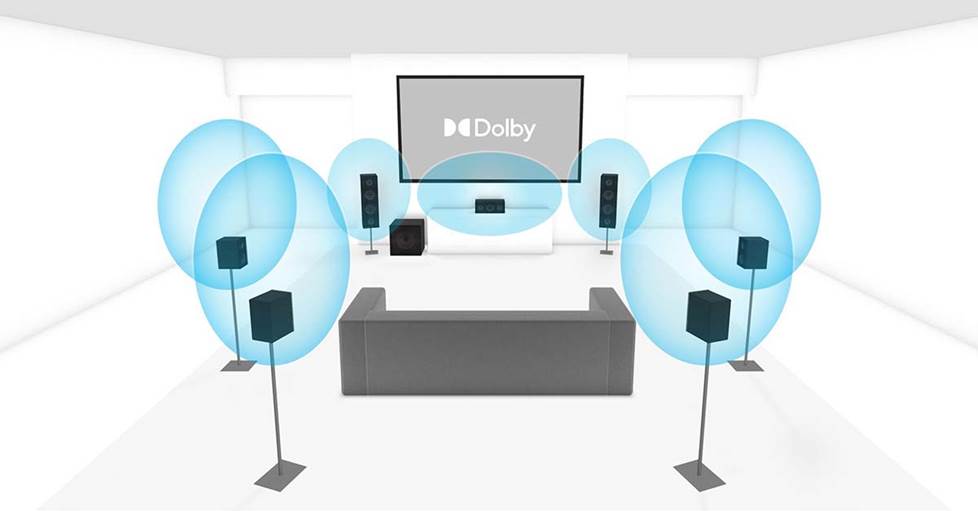
A 7.1 system uses side and rear surround speakers to completely envelop you in the action.
Subwoofer placement
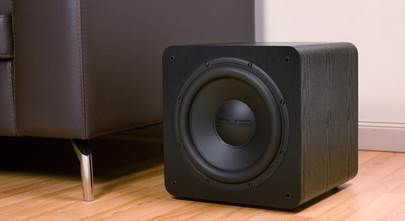
Where you place your home theater’s subwoofer has a big impact on how it sounds. The same sub in one area of your room can sound markedly different when moved to another spot.
Putting your sub near a wall will typically reinforce the level of bass that you hear. Putting it in a corner gives you even more low-end punch.
I suggest trying your sub out in a few different places to see which gives you the tightest, cleanest bass. I moved mine around quite a bit before settling on a side-wall placement facing my main speakers. I didn’t initially think to put it there, but that’s where it sounds its best!
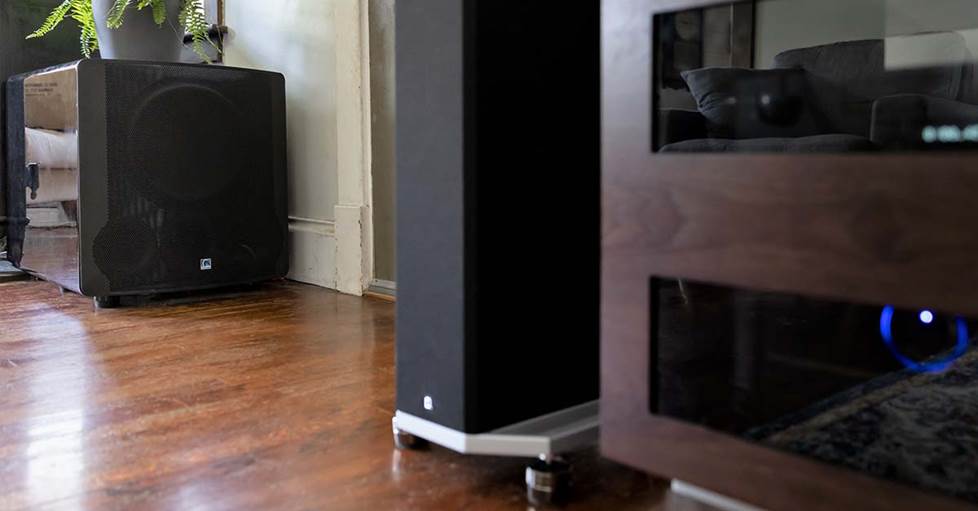
After trying it out in several spots I discovered that my SVS subwoofer sounds its best positioned along the front wall of my living room home theater.
Can’t run a sub cable? Go wireless with your bass
Most people put their sub in the front of the room so that it’s simple to connect to their home theater receiver. But if running a cable to where your sub sounds the best is impractical, use a wireless subwoofer kit and place it anywhere in the room you have a power outlet.
Add a second sub for better bass
Using two subs improves bass distribution by filling in gaps where bass response may be weak. A second sub also provides more impactful dynamics and greater system headroom.
The layout of your room will determine where the second sub should be placed. Some rooms get the best results by having a sub in each of the front corners of the room. Others get more even bass with one sub in the front of the room and the other in the back.
Try a few different arrangements to see where you get the best bass in your room. Once you've got your sub(s) in place, check out our subwoofer setup article for tips on getting deep, room-filling bass.
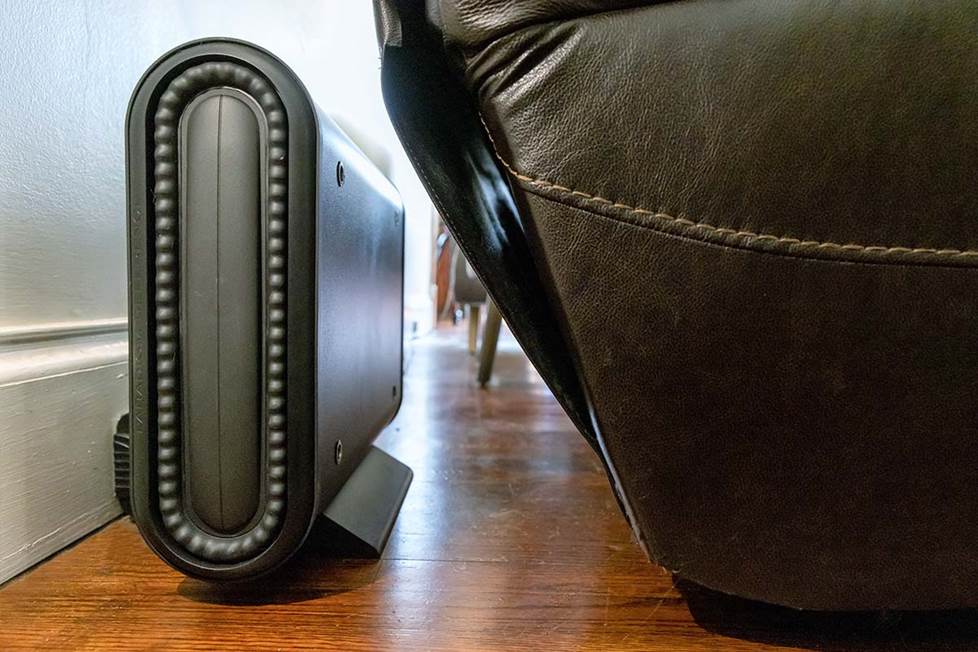
I'm a fan of using two subs to make movies and gaming as enjoyable as possible. The Paradigm MilleniaSub sounds ridiculously good for its size, and can easily hide behind furniture.
Dolby Atmos® and DTS:X™ guidelines
Dolby Atmos and DTS:X systems start with a conventional 5.1- or 7.1-channel setup and add two or more overhead effects speakers for ultra-immersive surround sound.
DTS:X works with any traditional surround system. Simply arrange your speakers to best fit your space, then let your receiver’s object-based surround processor determine where to best send dialogue and sound effects.
5.1.2 Dolby Atmos
Building a 5.1.2 Dolby Atmos system? Install your in-ceiling speakers slightly in front of your seat. They should be spaced about the same width apart as your front left and right speakers.
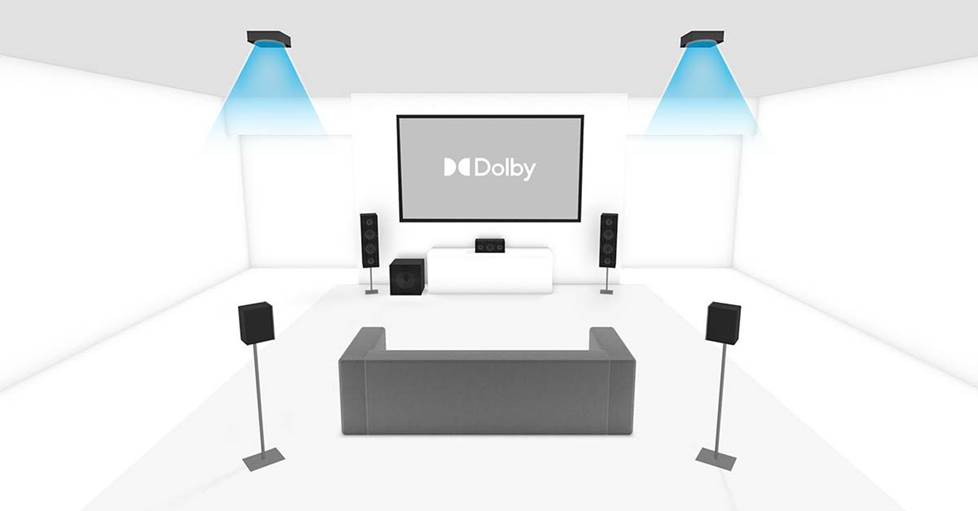
Going with one pair of in-ceiling Atmos speakers? Install them just in front of your seat for exciting overhead effects.
5.1.4 Dolby Atmos
A 5.1.4 Dolby Atmos system uses two pairs of overhead effects speakers to create an immersive sonic bubble.
Install the first pair a few feet in front of your listening position, and the second pair a few feet behind you. Space them the same width apart as your front left and right speakers for a wide, powerful soundstage and smooth transition of sound.
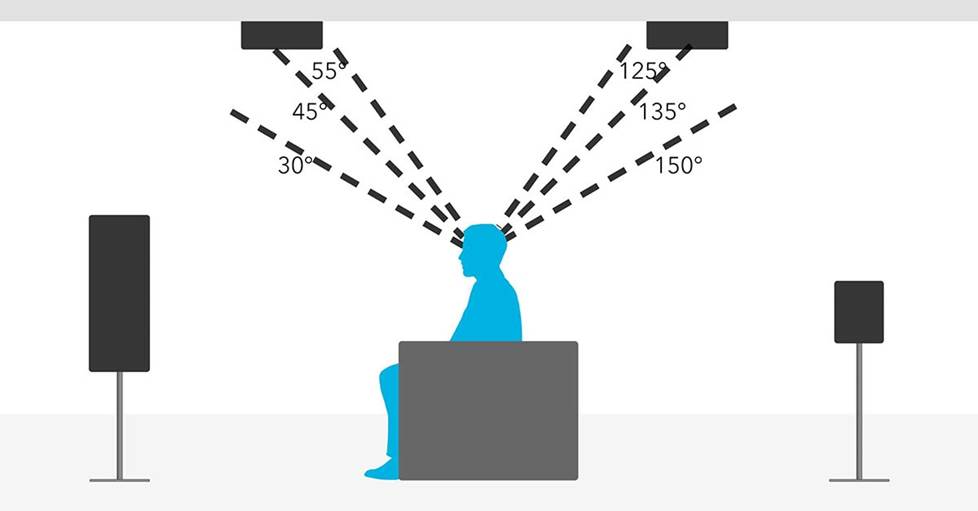
Two pairs of Atmos speakers completely immerse you in special effects. Install the first pair a few feet in front of your listening position, and the second pair a few feet behind you.
Check out our in-ceiling speaker installation guide for more tips.
Tips for challenging floor plans
Not every room easily accommodates a surround sound system. Ideal speaker locations may be taken up by doors, windows, or furniture. And some floor plans are notoriously tricky.
Use the system layouts shown below to get the best sound in these challenging rooms.
L-shaped room
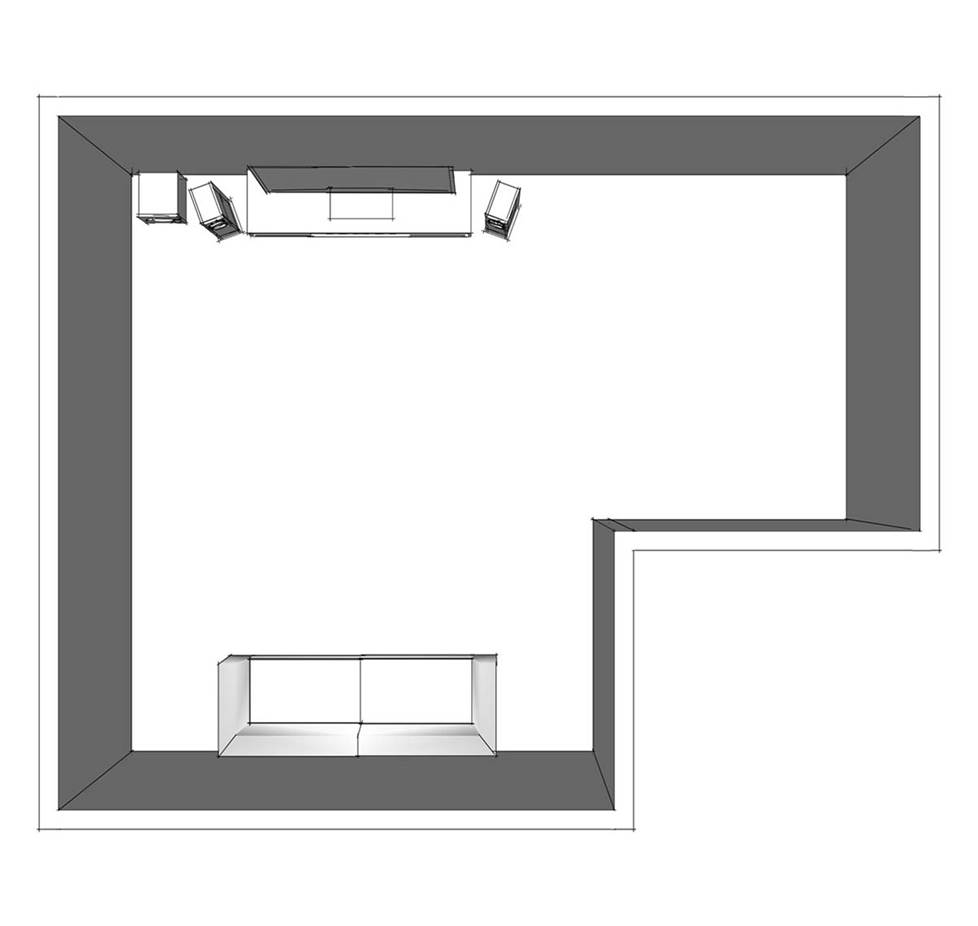
Have an L-shaped room? Arrange your system using the 5.1 system guidelines. If you can, pull the couch out a bit to reduce sonic reflections off of the rear wall.
TV in a corner
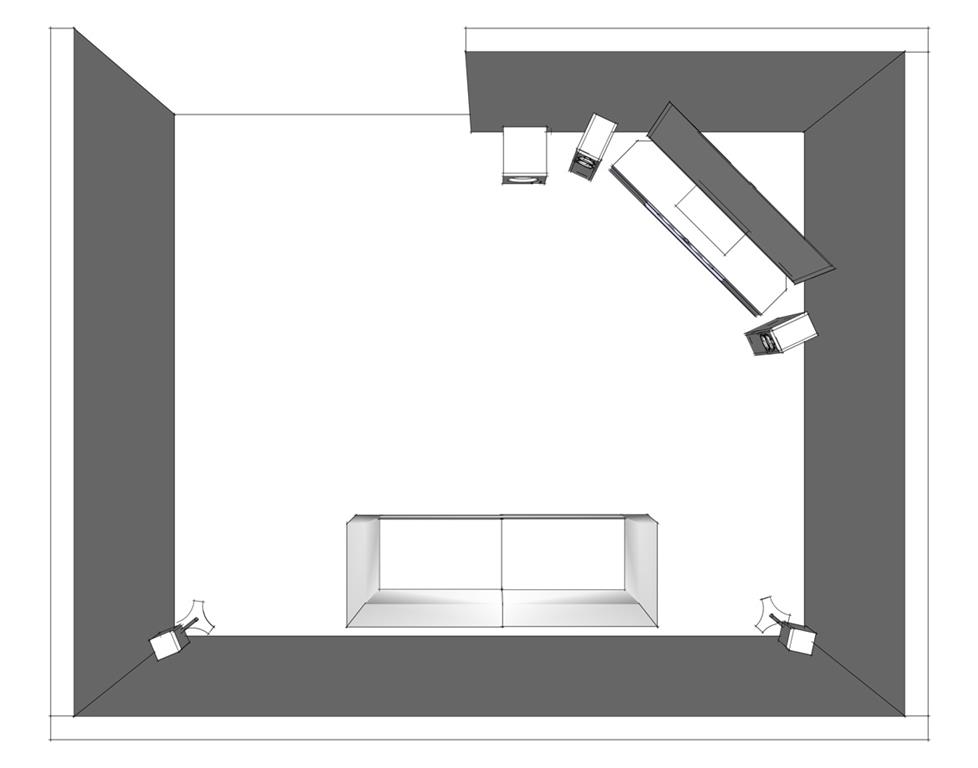
This arrangement makes the best use of your space if your TV is in a corner. Have seating along both walls? A sound bar or 3.1 system is a better option since there are no good placement options for surround speakers.
Open floor plan
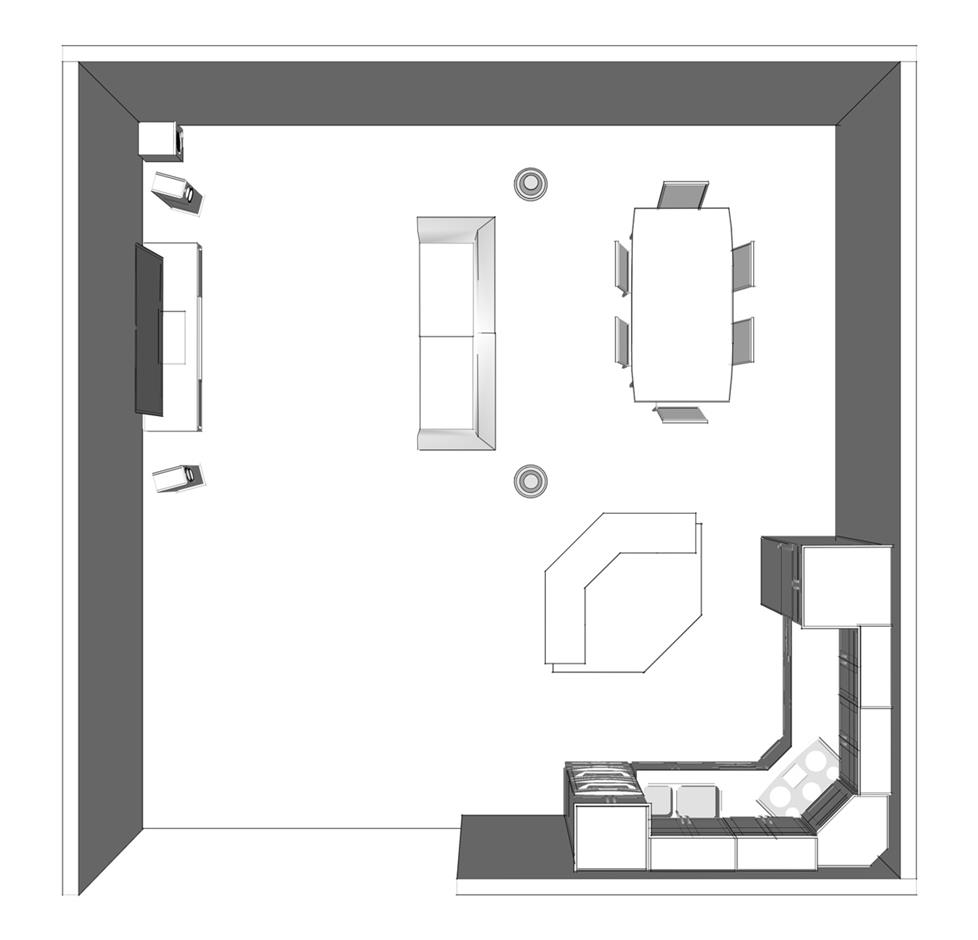
Have an open floor plan? Consider in-ceiling speakers for your surround channels. Place them slightly behind your seating area for exciting overhead effects.
3.1-channel systems (no surround speakers)
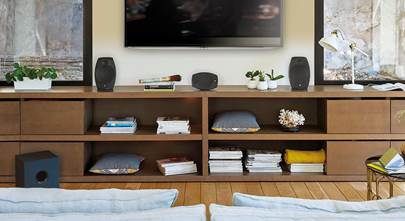
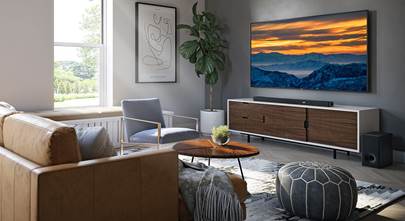
A 3.1 system pairs left, right, and center speakers with a powered sub to create a dynamic front soundstage. These systems are often better options than putting surround speakers where they won’t look or sound their best.
If you have a room that doesn't naturally lend itself to surround sound, consider using a high-end sound bar or a 3.1 system.
Optimize your system’s performance
Once your speakers are in place, it’s time to run your receiver’s room calibration software. The included microphone listens to test tones through each speaker at different volume levels. The receiver then automatically adjusts the timing, output level, and equalization for each speaker to best match your room’s acoustics.
Stabilize your speakers...
One of the simplest ways to improve system performance is by reducing vibrations — especially helpful if you have hardwood floors, large glass windows or doors, or other reflective surfaces.
We carry lots of great options for this — from replacemant speaker feet, to isolation platforms that your speakers sit on.
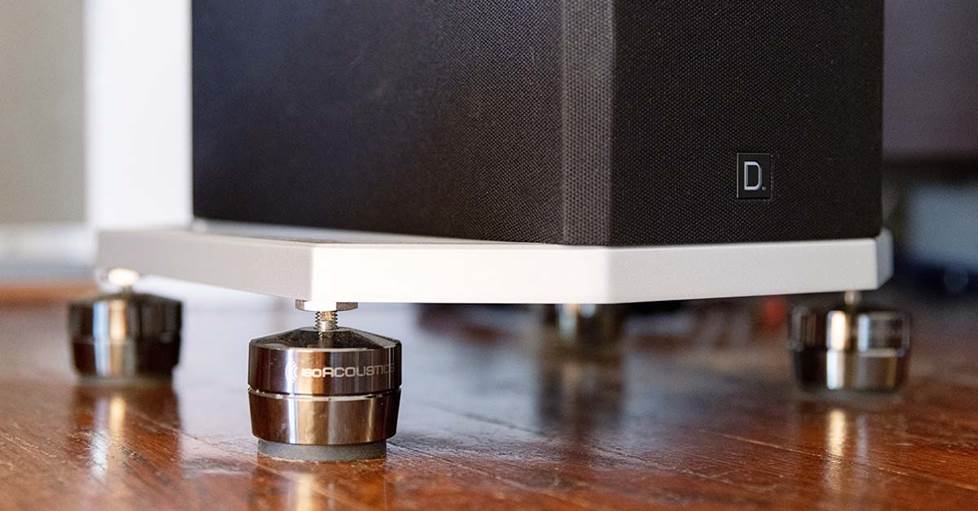
I use IsoAcoustics GAIA II feet with my Definitive Technology BP-9060 speakers to reduce vibrations and sonic reflections.
...and your subwoofer
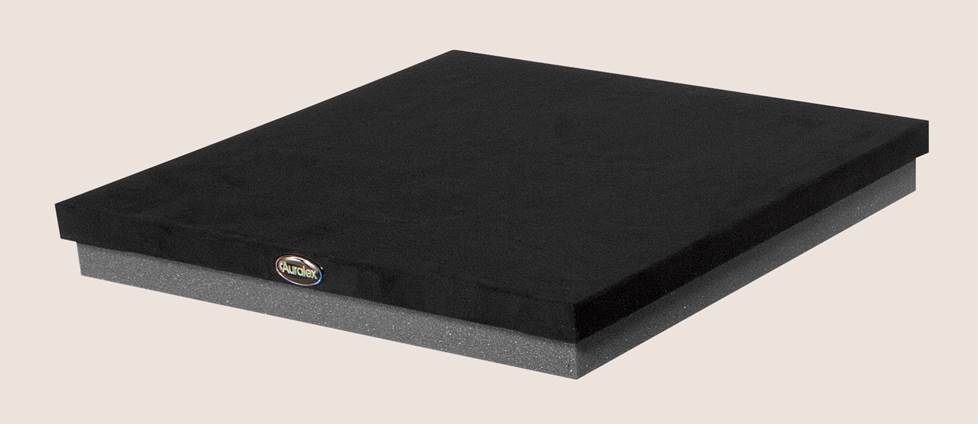
A subwoofer isolation platform like the Auralex SubDude-II™ can make a noticeable difference in how your sub sounds.
Love a clean install as much as I do? Here are some helpful tips for keeping your A/V system neat and tidy.
Let us help you get started
Want friendly, one-on-one help choosing the best gear for your new system? Our expert Advisors can help you design a surround sound system for your home. Contact us for free, personalized advice.



Randy L Fonda from Colville
Posted on 1/22/2023
Good article. Your suggestions pretty much match my 7.2 system exactly. Took many years to build my system as I rotated old speakers out and brought in new ones. Ended up with Onkyo TX801NR driving a Kef Q9 center, Martin Logan ESL's up front, KEF Q9 towers main surround, Klipcsh subs right and left and the oldest in the system.... a pair of AR8's as rear surrounds. The kitchen and living area are open to each other so after some playing around the AR8's ended up high and facing to the rear. I've looked at replacing my receiver with a more modern Denon, but I just can't let go of the Onkyo. It's a 40lb brick that sounds so sweet.
Hamraj
Posted on 12/29/2021
Thank you for this article and the answers to the comments. I am setting up my little home theater room. I have a Yamaha HTR-5890 as well as the Infinity TSS-1100 system that is 7.1. My room is pretty small. Would there be advisable to mount the speakers high up, almost to the ceiling? They would be angled toward the listening position.
Kramer Crane from Crutchfield
on 1/7/2022
I wish you an awesome movie night once things are in place!
Craig Utesch from Hiwassee
Posted on 10/11/2021
My former 5.1 setup was exactly as you described. I had not tried moving the sub around but I probably should have.. I have moved TOSAF new home and am struggling with a room that was not planned out as a home theater so lots of challenges and I am still tinkering. Thanks for the guidance.
Kramer Crane from Crutchfield
on 10/11/2021
Bert Peters from Angleton Texas
Posted on 10/11/2021
Just curious, why are you running an SVS sub with the Def Tech super towers? I've Def Tech towers myself, and I've always been impressed by the built-in subs. Please don't tell me that I "must" add another sub. :) My apologies if you have already had this question. I didn't want to go through all 90 comments.
Kramer Crane from Crutchfield
on 10/11/2021
kurt luehrs from aylett
Posted on 10/6/2021
My stereo is in my garage (gym). It is half drywall half cinder block concrete floor nearly covered with rubber mats. I have a metal garage door and 17 foot high ceilings. I am willing to invest in something to make the sound better but am not quite sure what to do. I have Polk audio tower speakers, center speaker and rear polk book shelf speakers. Yamaha v350. The sound just seems subdued. Thank you.Kurt
Kramer Crane from Crutchfield
on 10/8/2021
First, if you don't already have a subwoofer in your system I highly recommend adding one. Deep, driving bass is a powerful catalyst for excellent workouts, and the right sub will make an immediate impact to the quality of your system's sound. The bigger and badder the better, I say.
The other consideration is one of room acoustics. You're filling a large space that has a variety of different surface types. Each reflects or absorbs sound waves a little differently, so you end up "hearing the room" as much as you hear the direct sound from your speakers.
I don't believe your Yamaha RX-V350 came with an auto-calibration system. For this reason alone it's worth considering a new home theater receiver — one that can measure the acoustics of your room and make adjustments to the sound based on the specifics of your space. (All of the models we carry include a calibration microphone.)
I expect these two changes will make a dramatic improvement to your listening experience. Feel free to give one of our Advisors a shout for free, personalized advice picking out the right gear for your gym.
Morey C from Lake Worth
Posted on 8/7/2021
I have the Sony STRDN1080 AVR. My speaker configuration is 3.1. My input is digital optical coming from a Sony XBR55X950G TV. I have no easy way to run wires for a rear speaker set up. Using the front surround setting on my AVR does not activate my center channel front speaker. Can you suggest a way to get a 3.1 setup working or a compatible wireless set of rear speakers so I can use a 5.1 setup. I have outlets available so I can plug the speakers in. This setup is used almost exclusively for movies and streaming TV.
Kramer Crane from Crutchfield
on 8/10/2021
As for wireless transmission to rear speakers, I recommend giving one of our Advisors a shout to see which solution will work best for your system.
David Rehn from little falls,nj
Posted on 7/8/2021
I would like to mount a pair of Klipsch RP-402S sideways, near the rear ceiling, for surround effects. Mounting sideways would shoot direct sound down to the rear of the listener, and sound would then also be reflected off the ceiling then dispersed downwards. Remember, the RP-402S has angled speakers. Comments? Suggestions? Many thanks . . . . . DVR
Kramer Crane from Crutchfield
on 7/16/2021
Dirk from Tempe
Posted on 6/21/2021
I'm somewhat confused about speaker placement. 1. Depending on what source (Dolby, forums, etc.) it is said to place the surround speakers at ear level, or 1-2 feet above ear level. Not sure about the discrepancy, and which is correct? 2. Dolby Atmos: Seeing various setup's, I see that the preferred is 4 in the ceiling speakers (x.y.4), but 2 ceiling speakers are acceptable (x.y.2). The one that keeps showing up in Amp assignments is the "Front Height" speakers that are basically placed above the front R/L speakers. Generally how effective are the "Front Height" for Atmos or DTS for that matter? Or what encoding uses the front height? I ask about the front height, because that's what I done at this point (it was easy because I truly have tall bookcases on each side of my TV and jut putting them at the top was a 'no brainer' with my NR1711) , and it's just "eh..." for height virtualization.
Kramer Crane from Crutchfield
on 7/7/2021
You'll enjoy excellent sound effects with your surround speakers at ear level or a little higher. But every room is different, as is how we hear. As long as you stick relatively close to the placement recommendations you'll be fine, especially once you've run your receiver's calibration system.
The vast majority of Atmos systems I've worked on have one pair of overhead effects speakers. Yes, additional pairs are better in that you'll get a wider, more immersive soundstage and better transitioning of effects. But four or more Atmos channels are by no means a requirement for great sound.
br> Front height speakers do raise the height of your system's soundstage, but I wouldn't rely on them too much for overhead sound effects. You might consider upward-firing speakers that bounce sound off your ceiling. I especially like the SVS Prime Elevations, which can also be used as surround channels as well.
Jason Mraz from El Sobrante Ca
Posted on 5/21/2021
My listening rooms' dimensions are 8' Height x 9'7"wide x 9'1"long (with sliding glass doors closed), 11'1/2" (with sliding glass doors open). What If any room acoustics would help my home theater system sound the best?
Kramer Crane from Crutchfield
on 5/28/2021
There are a host of acoustic treatments that you can also add. I especially recommend using a subwoofer platform like the Auralex SubDude to reduce vibrations.
Louis Piwowarski from CAPE CORAL
Posted on 4/5/2021
Hi Kramer, You carry the Klipsch RP-450C for roughly half the price of the RP-504C. They are very similar spec wise. Looks like the 450C is very slightly larger; it lists as heavier. The speakers have the rear ports and binding posts on opposite sides. What is the real difference with these two? Why are there two choices so very close together spec wise? Which one makes the most sense? 7.2.4; Yamaha 2080; RP-8060FA's fronts; R-625FA's rears/sides. Have a lot of trouble with dialogue with current RP-400C at the low volumes; its great for news and broadcast TV, but not for great movies/streaming/BD. Thanks, Lou Piwowarski
Kramer Crane from Crutchfield
on 4/7/2021
That said, in your shoes I would play around with your receiver's center channel output level (if you haven't already). I have to make changes to my center channel level frequently when switching between different sources. That's especially true with movie soundtracks like Tenet, which are mixed in a way that can make dialogue difficult to hear at lower output levels. Try raising the level of your center channel up a few db the next time you watch a movie and see if that helps.