Recycling and repurposing your electronics
How to reuse or responsibly dispose of your old gear

T
here’s nothing like getting new gear from Crutchfield. Rummaging through the (biodegradable!) packing peanuts, and rifling out that shiny new toy. But what do you do with your old stuff? Here are some ways to responsibly get rid of your old gear:
Donate or recycle
You can check the EPA website for links to local electronic recycling centers and places that accept donations. Many of our vendors have their own recycling programs, also.
Recycling Canon products
For detailed information, please visit Canon's recycling page.
Recycling LG products
For consumer information, please visit LG's recycling page, call 1-866-372-2928, or email at [email protected].
Recycling Samsung products
For detailed information on Samsung’s consumer electronics recycling collection programs, please visit Samsung's recycling page. Or for additional customer service regarding recycling call 1-800-SAMSUNG or email [email protected].
Recycling in Wisconsin
In Wisconsin, most consumer electronics, including cellphones, computers, monitors, printers, tablets, TVs, and video game consoles may not be thrown away. These electronics can be recycled but cannot go into recycling bins or carts. To find electronics collection sites and events in your area, visit the Department of Natural Resources E-Cycle Wisconsin website at https://dnr.wisconsin.gov/topic/Ecycle.
Give it to someone who can still use it
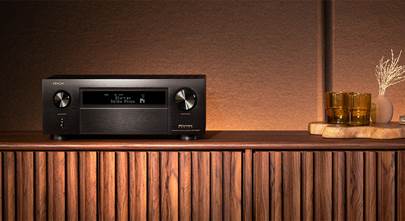
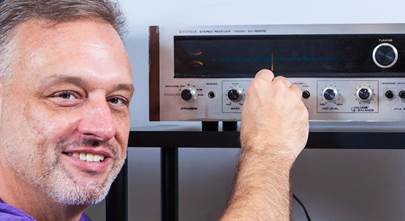
What’s “old” to you might be an upgrade for your friends or family. Consider giving it to someone who will appreciate it. My own home theater setup is made up of hand-me-down speakers and a second-hand receiver — and I love it!
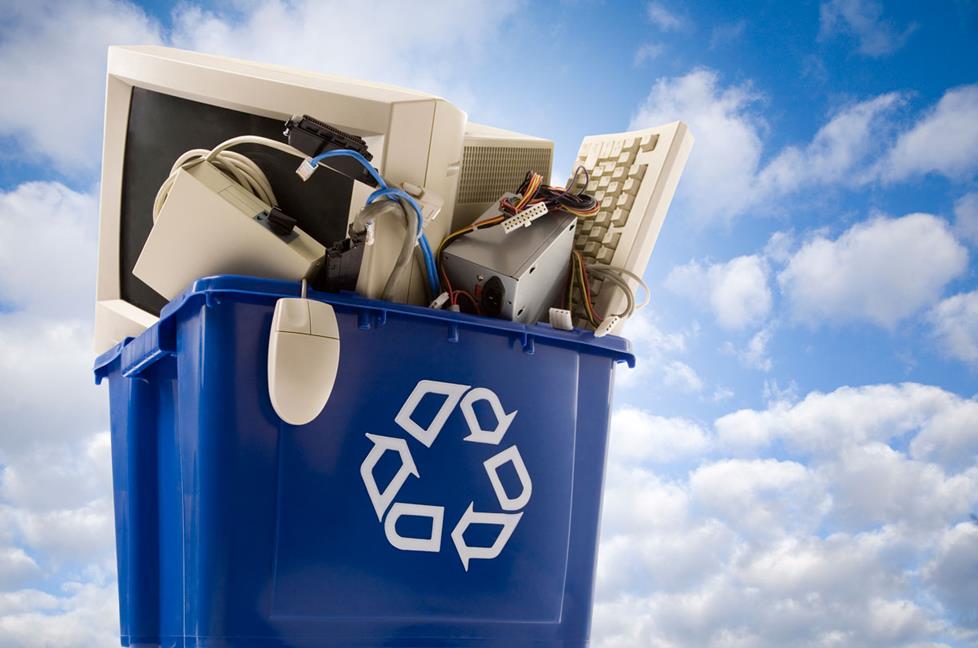
It’s important to keep electronics out of landfills. They contain materials that can contaminate our air and water.







Kathy from Land O Lakes, WI
Posted on 3/15/2023
Have an old denon av receiver that no longer works. What can I do with it?
Paul Julsing from Port Orchard
Posted on 1/1/2023
I have numerous reel-to-reel units and other electronic gear that i need to get rid of before i die. Do you know a recycler in Washington State in the Bremerton area ?? Or in the Tacoma and Olympia areas ?? Your help will be greatly appreciated !!!!!!
Brandon Brink from Canonsburg, PA
Posted on 10/25/2021
Can they accept tv trade ins
Rondo R from Worcester, MA
Posted on 7/28/2020
What is the process for turning in old gear to Crutchfield for Store Credit?
Terri P. from Charlottesville, VA
Posted on 12/4/2016
This is great information! Thanks! Terri Petrovits, Charlottesville, VA
Georgia B from St. Louis, MO
Posted on 10/25/2016
I'm so glad you mentioned the option of recycling old electronics. I have a couple of really old computer monitors sitting in my garage. I was planning on donating them to a Goodwill, but then found out that they have limits on accepting electronics that are past a certain age. I'll have to see if we have any companies that offer to recycle electronics in my area, as this seems a much better option than just throwing them away!
Linda burton
Posted on 7/20/2016
Goodwill will not accept old TV in Richmond Virginia
James F. Pasquini from Coeymans, NY
Posted on 7/16/2015
After being in the TV/Radio repair business for many years, I had some old test equipment as well as "new" (unused) vacuum tubes and parts left. Some of the vacuum tubes and parts I donated to somebody halfway across the country who was getting into Ham Radio and wanted to build a transmitter. Some other vacuum tubes and tube tester will be donated to the USS Slater (Destroyer Escort) that is still being refurbished in Albany, NY. They've rebuilt/are rebuilding their WWII radio and as with vacuum tubes, they'll need to be replaced sooner or later again. Some other parts I used to build a "sights & sound" toy for my granddaughters (colored lights, bells, buzzer, push button and toggle switches, etc.). Little by little I'm getting rid of unwanted electronic parts without them going to the landfill. To Gene Meyer from Aurora CO: Go to the HP website and check out their recycling policy. They'll probably send you a mailing label. Staples will accept old printers for money off when buying a new one. They'll even take old printers for recycling even if you're not in the market for a new one. If the printer still works, you can always list it on Craig's List for sale or free to the first responder who will come and pick it up! Good luck.
shood
Posted on 7/16/2015
This is a great idea!
Jeff Miller from Crutchfield
Posted on 6/29/2015
Gene, Check the EPA site for the e-cycling center closest to you.