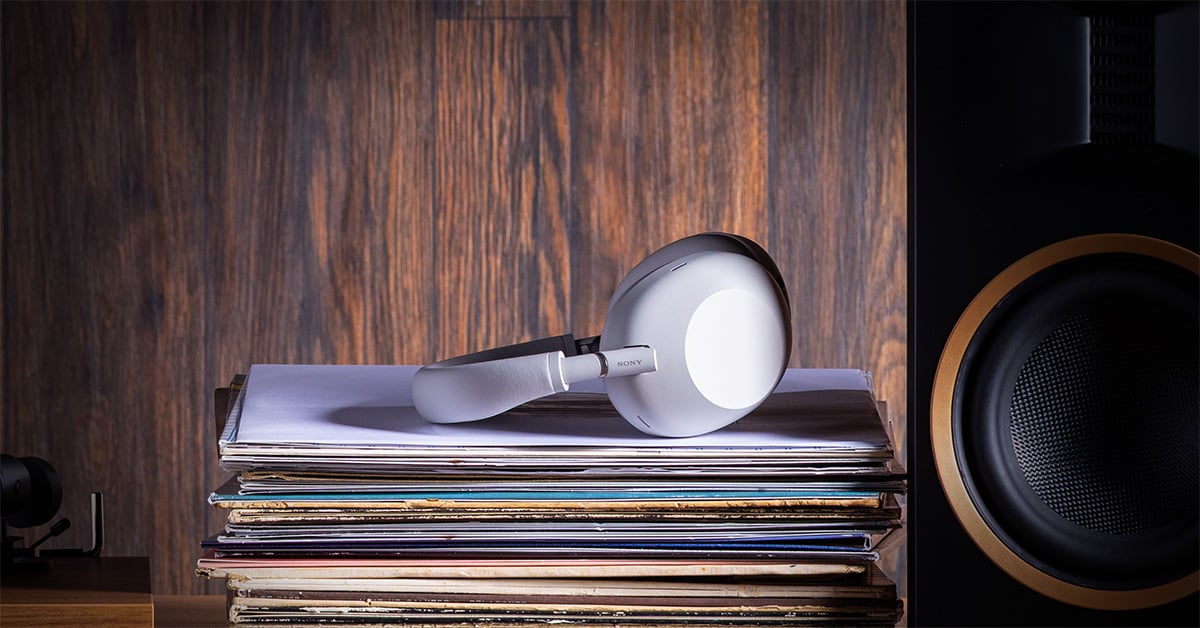
Fit, feel, and fold: The inside story of the Sony WH-1000XM6 design
How Sony's industrial design team shaped and improved the world's best noise-canceling headphones

I
t takes teamwork to create a set of headphones as popular and well received as the Sony WH-1000XM6. Especially when those wireless noise-canceling headphones must live up to a lofty legacy — like the legendary XM-series lineage.
Much has been made about the XM6’s cutting-edge circuitry, astounding adaptive noise cancellation, and sound tuning that's informed by professional studio engineers.
But we shouldn't overlook the effort put into the first thing you see — the design. Sony’s industrial design team serves as the glue that incorporates and accentuates all the important performance aspects, while also ensuring these headphones look and feel their best.

Our "virtual roundtable" included (L to R): Mio Nakanishi, head of Sony’s Product Planning department for personal entertainment; Tetsu Sumii, Sony's Chief Art Director and Master Designer; and Yusuke Samejina, Sony Mechanical Designer.
The result of this cohesive vision and sharp focus? Sony's latest XM over-ear flagship model is once again a top seller. We also crowned the XM6s as both our “best all-around” Bluetooth and noise-canceling headphones — plus named them one of Crutchfield’s top five most comfortable headphones.
A sound strategy
When I reviewed the XM6 headphones for Crutchfield, I noted the charming mix of old and new. At first glance, they look very similar to the previous-generation WH-1000XM5 headphones, but there are dashes of upgrades and tweaks sprinkled in. All these extra spices make for a superb final dish.
“[The XM6 design is] evolutionary, not revolutionary,” Sony Europe designer Chai Yee L. told Stuff.TV at a recent launch event for the XM6 headphones. She explained that modest, yet impactful changes were part of Sony’s plan from the start.
This less-is-more strategy piqued my interest. So, I reached out to Sony designers and engineers in Tokyo (and around the globe) who worked on these headphones, to learn more about the design process.
Making a visual statement
It’s easy to dismiss the appearance of a headphone as purely superficial. But there’s a lot to convey in passing to a potential customer. And it must hold up to closer examination!
When you see someone wearing the XM6s at the airport or coffee shop, Sony’s engineers want them to evoke a familiar vibe. But they simultaneously need the design to indicate that these are state-of-the-art headphones — all in an instant, fading glance.

The XM6s helped hush the bustling morning rush for me at the Mudhouse coffee shop here in Virginia — and the design turned a few heads, too.
“We wanted to preserve the familiar and already beloved essence of the XM series’ qualities,” said Tetsu Sumii, Sony’s longtime Chief Art Director and Master Designer. “So, [most of our] updates were aimed at improving quality, usability, and comfort. But that happened to lead to some fresh [design] elements.”
“A nod to the past with an eye toward the future”
Tetsu Sumii has steered the design and redesign of many iconic products at Sony — everything from the PlayStation, the Walkman, and Xperia phones — to even a unique take on kitchen flatware when collaborating with a utensil company. So, he understands the balancing act between catering to what people know and love and — yes — delivering something new.
But he warns against chasing "newness” for newness' sake. Sometimes when asked to deliver a brand new design, he takes a step back. To him, design is more about identifying and tackling problems.
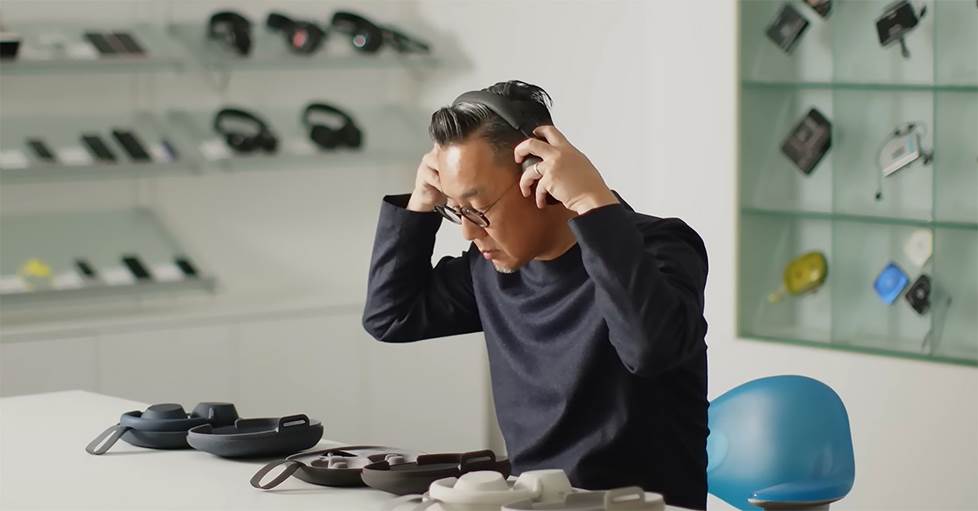
Master Designer Tetsu Sumii tries on the XM6 headphones. “We wanted to preserve the familiar essence of the XM series’ qualities,” he told me. “So, [most of our] updates were aimed at improving quality, usability, and comfort."
“I believe that design is [at its core] the spontaneous renewal of expression as a result of problem solving,” Sumii has said. “I would throw off the limitation of 'new' [when approaching a design] and start designing by searching for what the problem is, to find what is truly desired.”
Further true when approaching a series as well-known and beloved as the XM series. Between the 2020 release of the WH-1000XM4 and the WH-1000XM5 release in 2022, Sony shook things up with their most profound design change between models yet. The XM5s looked completely different than the four proceeding models in the series.
This time, the goal was different for Sumii and team. “Our fundamental [design] approach was to maintain the [look and vibe we] established with the WH-1000XM5 design,” he told me.
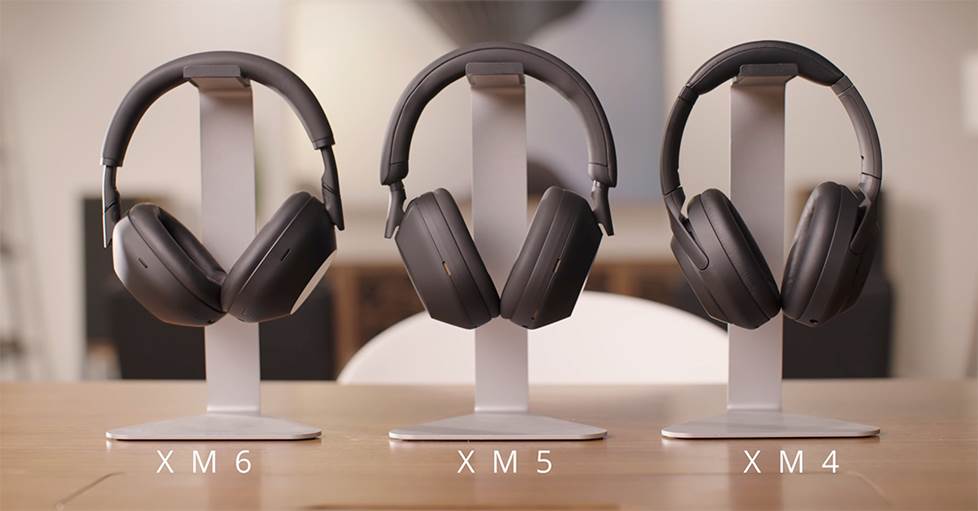
The XM6s sport a similar look as the XM5s — which took a clear departure from the design of 2020's XM4s.
That design has become somewhat ubiquitous over the last three years. The XM5s have been omnipresent during travel and daily commutes. And they topped so many “best of” lists in different publications and tech sites — including Crutchfield — that it almost felt like they looked how headphones were “supposed” to look.
Still, Sumii and team always find room in the sandbox for flexibility and creativity when it comes to problem-solving. And Sony’s customers clamored for some key changes. Chief among them, they wanted the headband to fold again — it just makes travel easier for most. Sony's headphone customers had some notes on fit and comfort, too.
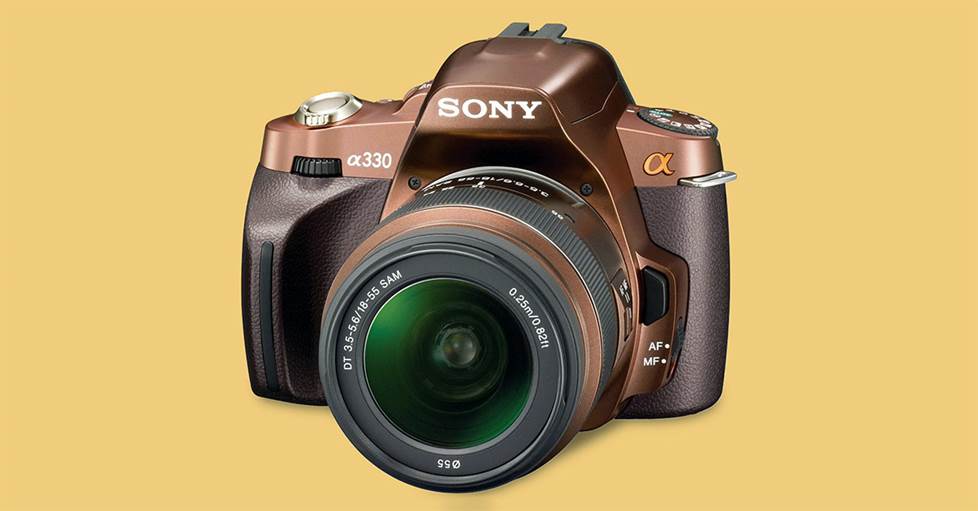
During Sumii’s tenure at Sony, he’s had a hand in many iconic designs, including the Playstation and the pictured Alpha A330 camera. He lets usability dictate when change is needed versus reinventing the wheel — and says a small bit of flair can go a long way.
“We carefully review all customer feedback,” said Mio Nakanishi, head of Sony’s Product Planning department for personal entertainment. “And we make decisions on which elements to incorporate by balancing multiple factors.”
Sony identified three main aspects to focus on.
"[Number one was] the convenience of foldability," said Nakanishi, noting the customers had spoken. "Just as important was accessibility and intuitive use, then, finally, the [bespoke], tailored quality that's gained by meticulous attention to detail.”
Sustainable packaging and a convenient case
Mio Nakanishi has made a career out of gauging the wind of customer sentiment — then adjusting the sails accordingly. As head of product planning, her influence starts with the early brainstorming of a new item. Then, she has a hand in the development, release strategy, and all the marketing efforts.
Staying ahead of industry trends is kind of her thing. A few years ago, when product packaging was more of an ostentatious display, Sony was one of the first companies to turn to a minimalist, sustainable approach. Other major audio brands have followed suit.
“We believe that we were able to create packaging responsive to environmental considerations without compromising on functionality or appeal,” said Mio. “That’s because Sony [keeps] environmental considerations in mind from the initial stages of our product creation.”
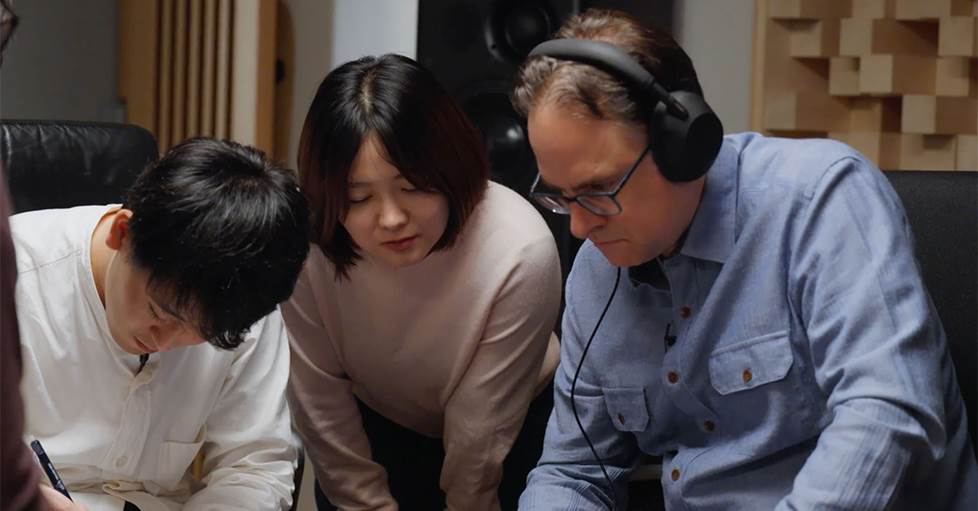
To keep a product on track, Mio-san works across several departments. She's pictured here during the XM6's sound tuning process with Sony acoustic engineer Koji Takamura (left) and GRAMMY-winning studio engineer Randy Merill.
Like most Sony headphones these days, the XM6 headphone arrive inside a low-key carton made from “bamboo, sugarcane fibers, and recycled paper." And inside, the travel case was completely reimagined.
“The [new] magnetic carrying case was indeed born from customer feedback,” said Nakanishi.
The XM6 case is smaller than previous-generation cases and it loses the zipper. Instead, it conveniently snaps shut with a satisfying magnetic clasp. The company designed it with accessibility in mind — and you can open and close it with one hand.
Snug, secure fit that serves a function
When we added the Sony WH-1000XM6s to our list of most comfortable headphones, it was no rubber stamp. First off, the list is based on our extensive 2019 study into headphone fit and comfort. This in-house perceptual testing included a large group of Crutchfield employees and was designed by our data scientists and research engineers on staff. So any change to the list must be deeply considered and tested.
The XM6 earcups are similar in size and weight to the previous-gen XM5’s, but the headband is wider for better weight dispersion and comfort. This helped relieve the pressure of the headband from the crown of the head. That was my major quibble with the XM5 fit — and it was why the older-gen WH-1000XM4s stayed on the list for so long.
Mio explained that widening the headband led to a delicate balancing act for maintaining consistent pressure. “We have an internal database of head measurements that accounts for regional differences, age, and gender,” Mio said. “We would slightly adjust the fit, then conduct extensive user tests to fine-tune the wearing experience for [everyone].”

The XM6 headband is wider than the XM5s for better weight dispersion and comfort. This helped relieve the headband from pressing into the crown of the head.
So, the XM6s fit a little more snugly than XM4s, but the earcups are spacious and well-padded. This keeps them from feeling too tightly clamped on my head and creates an excellent seal for Sony’s hyper-adaptive noise cancellation.
Back in the fold
Of course, the most-discussed missing attribute between the XM4s and XM5s was the folding headband. It was a persistent point of conversation between our Advisors and our customers — and Sony heard about it, too. While some shrug it off, the XM5's inability to fold is still a deal-breaker for others.
When Sony gave early models of the WH-1000XM series a folding headband, they helped set and reinforce the industry standard. Most flagship noise-canceling headphones folded up. It became so expected that we even had to add a note to the XM5s (and models from other companies) to make it clear that they won’t fold.
So, the folding design has been welcome return for the Sony XM6s. But Sony knew they had to make some adjustments with the new headband. “We reworked the hinge,” Chai Yee L. told Stuff.TV’s Esat Dedezade, "There’s less swing, more stiffness, a straighter profile.”
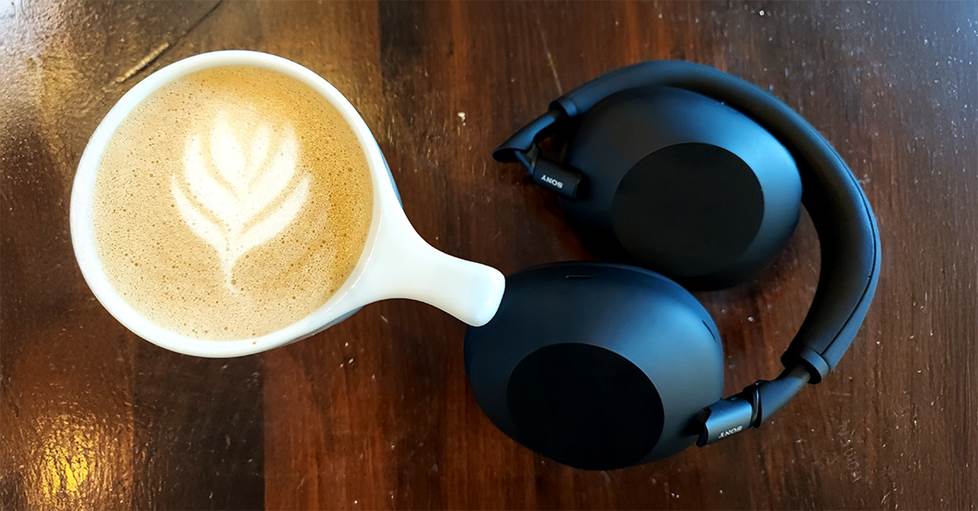
Sony used durable infused-metal hinges for the travel-friendly foldable design.
They chose to build the hinge with reinforced steel. And went through many variations and designs to get it right. "We wanted to reduce what we call the ‘Mickey Mouse effect,’" said Yee L. to Stuff, "that triangular gap between the earcup and the head."
“We created numerous prototypes specifically to verify the folding mechanism structure,” Mio Nakanishi, the head of product, told me. “It was important to the form...how it fit in the case and also [a more flattering] silhouette when worn.”
To accommodate the new hinge, they shaped the headband a little differently. Sony’s designers noticed that people would have the XM5s on backwards. The XM6 headband came out more asymmetrical than the more straightforward XM5 headband design. That slight change in shape helped people quickly figure out how to correctly wear the XM6s.
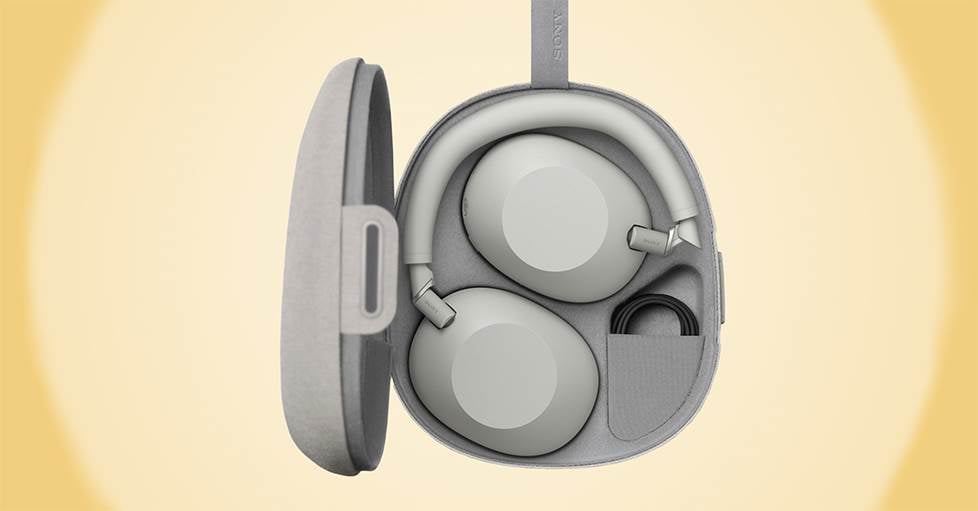
The XM6 headphones fold up to fit into the smaller case with a magnetic latching system.
Sumii describes it a welcome byproduct of happenstance. “The wider headband was originally designed for comfort,” the art director said, “but we leveraged this feature to enhance usability by making orientation more intuitive.”
And getting the left and right channel correct helps ensure that sound is reproduced properly and noise-canceling circuitry works effectively. Ultimately, it’s all in service to the performance.
Working with other engineers and teams
At the end of the day, what makes the XM-series headphones so special — and iconic — is their performance. “The value of a headphone is directly linked to its acoustic design and hardware elements,” said Mio Nakanishi, the head of product planning.
So, as crucial as all these design aspects are, they must work in sync with the sound, noise cancellation, and cutting-edge convenience features that Sony offers. It required strong teamwork between Sony departments.

"Each specialized team has their own technical constraints and requirements...which leads to trade-off discussions” said Mio-san, shown here at Sony Music's Battery Studios in New York with acoustic engineer Koji Takamura and Mastering engineer Mike Piacentini.
"[At Sony], designers and mechanical engineers work closely together in the same space,” said Mio. “We stayed in constant communication throughout the [XM6] development process.”
In some cases, that might mean deferring to one set of engineers or another. “We frequently share information,” said Mio. “We collaborated with engineers specializing in the sound quality, circuits, antennas, and power systems.”
For example, to achieve the next level of noise cancellation and improve call clarity, the XM6s are packed with more built-in microphones. They have twelve to the XM5’s eight mics. Advances in microphone technology kept the size and weight of those microphones down. Still, the onus is often on the design team to accommodate the extras.
Mio shrugs off that pressure as part of the process.
“Of course, each specialized team has their own technical constraints and requirements,” she said. “That will lead to trade-off discussions like ‘we want to prioritize acoustic performance here’ [from one side] or ‘we need to maintain comfort in this area," [from another].”
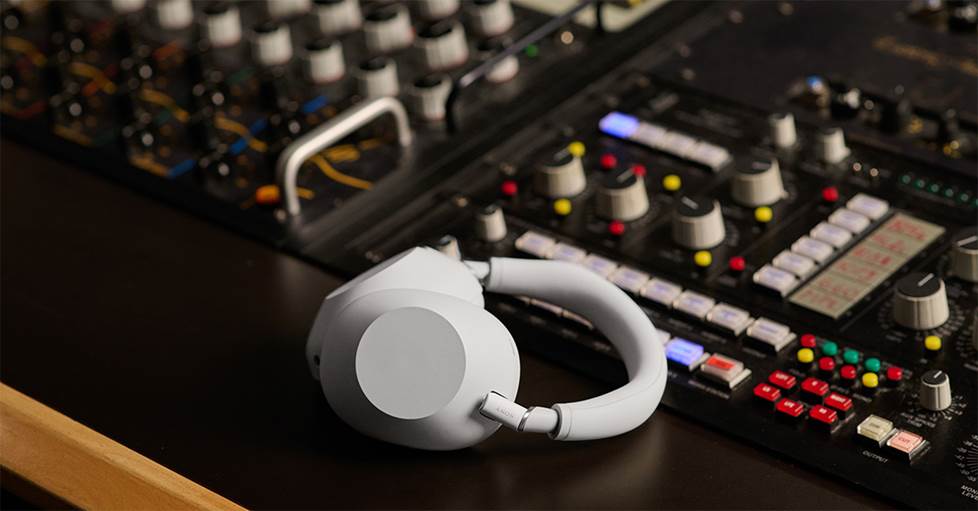
From studio-influenced sound to world-class noise cancellation, it's the Sony XM6 design that pulls everything together.
But she made it clear that everyone is ultimately on one team that’s focused on the product as a whole. Whenever new parts, new tech, or new functionality were introduced, Sony remembered that this is something people wear on their heads. The XM6s weigh just two more ounces than the XM5s — and they arguably feel lighter on the head.
“[To keep the headphones] lightweight while still maintaining functional quality, we continuously develop and select different materials [throughout the process],” said Sony Mechanical Designer Yusuke Samejima. He added that they had to repeatedly revise the structural design of the headphone components, over the course of many prototypes.
“We create countless models during our normal design process, especially for such an important product line,” said Mio. “While there have been significant detail changes from the initial models, the fundamental concept has remained consistent.”
In other words, the team stayed true to the original vision. And their plan paid off.

Need more help? Contact us!
Have questions about how the Sony WH-1000XM6 headphones compare to others? Contact us today.
Our expert Advisors know headphones inside and out. And free lifetime tech support is included with your Crutchfield purchase.










Comments (0)