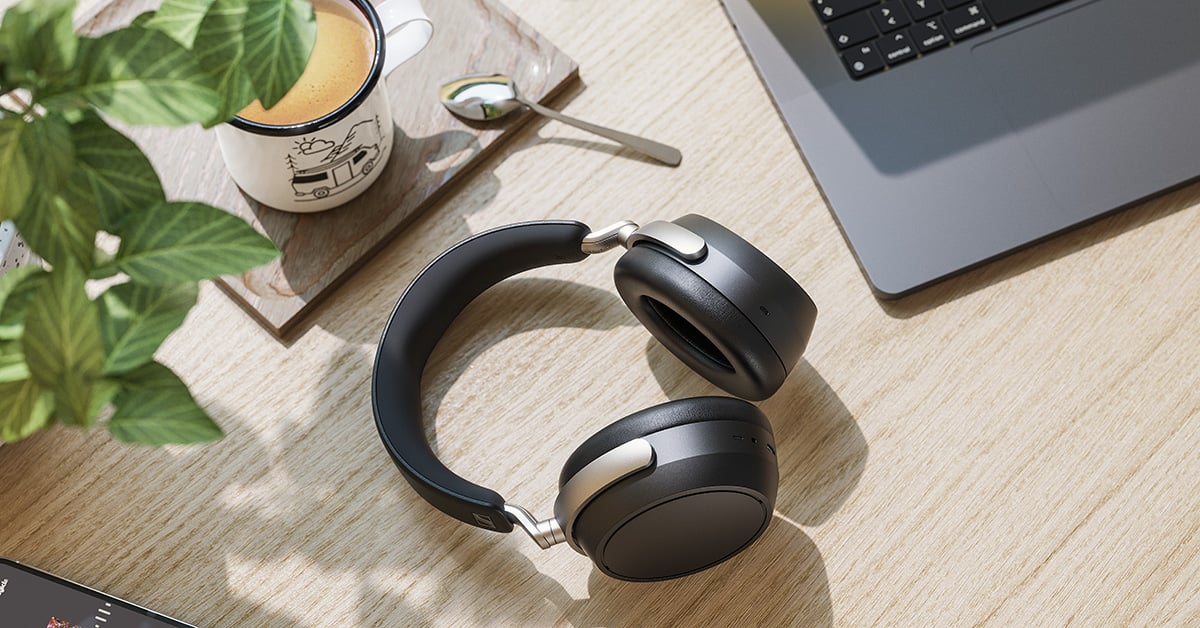
Sennheiser HDB 630 noise-canceling headphones review
Sennheiser's renowned HD 600-series performance in a wireless, portable package

T
hese are the Sennheiser travel headphones I've always wanted to hear. The HDB 630 wireless noise-canceling headphones are the company’s first portable Bluetooth® over-ears that can hold their own amongst their wired audiophile HD 600 series.
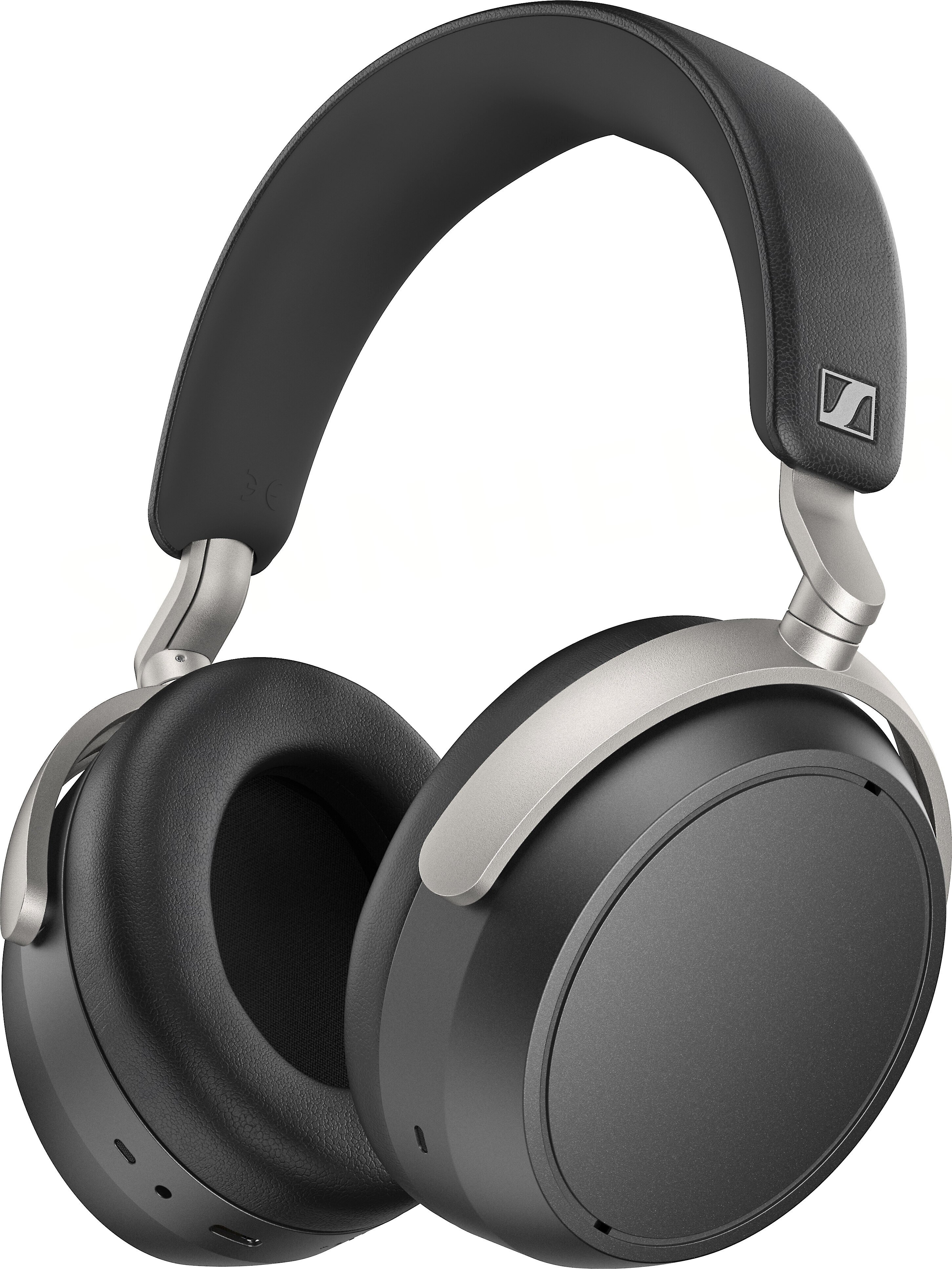
In fact, they share attributes with several models across the legendary line. The soundstage is wide and breathable, à la the HD 620s — but the tonality better matches the HD 650 with smooth, yet detailed highs, deep, linear bass, and a snappy, more forward midrange presentation.
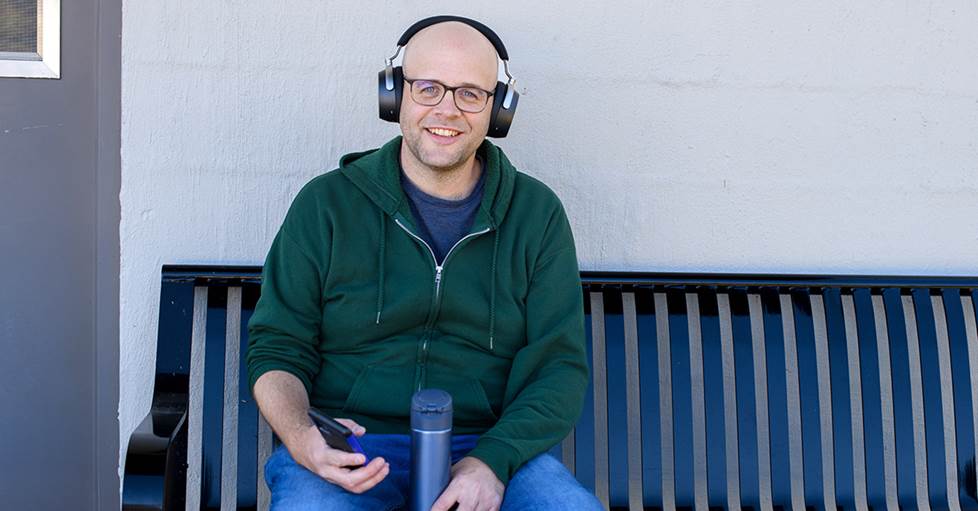
I enjoyed having Sennheiser's HD 600-level sonic performance on the go, along with unparalled control over tuning with parametric EQ right on my phone.
They’re also packed with many of the convenient features that have made the Momentum 4 over-ears an overwhelming customer favorite for portable listening — like an incredible 60 hours of battery life. Music also plays via Bluetooth 5.2, one of the newer, more reliable versions of Bluetooth. And new for the HDB 630 headphones, Sennheiser includes parametric EQ for a professional level of control over the sound tuning.
Premium build, relaxed fit
Sennheiser built these headphones with lightweight, yet durable materials and their soft ear pads hugged my ears and sank right into place. It's a relaxed, secure fit that I appreciated even more the longer I wore them. The headband is smooth and soft on the inside with a small dip in the middle that relieves pressure on the top of the head.
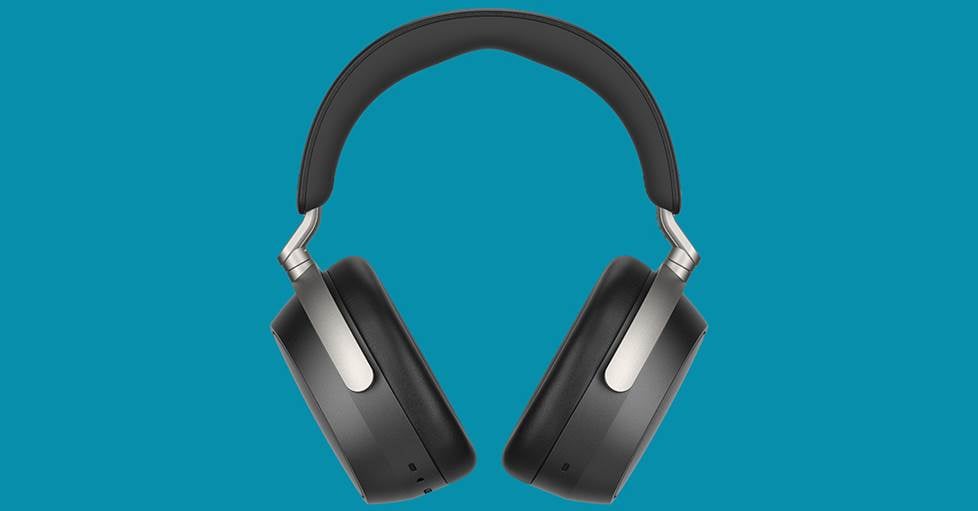
Notice the dip at the top of the headband. That helped the headphones to gently cradle the dome of my head.
A designer protein leatherette fabric lines the outside of the headband. It feels as pleasant as it looks — and is punctuated on each side by a tasteful Sennheiser emblem.
Large travel case packed with extras
The HDB 630 headphones arrive packed in a zippered, well-padded travel case. At about two inches thick, it’s on the larger side for an over-ear case — especially when compared with headphones that fold up (these do not). The case still fit fine in my work/travel backpack along with my laptop, a book, and other odds and ends.
Bluetooth transmitter for high-quality music streaming
And the added space provides room for the extra goodies that Sennheiser includes here. Their BTD 700 Bluetooth transmitter comes standard with these headphones. This dongle fits in the palm of your hand and can connect to pretty much any device with a USB-C or USB-A port.
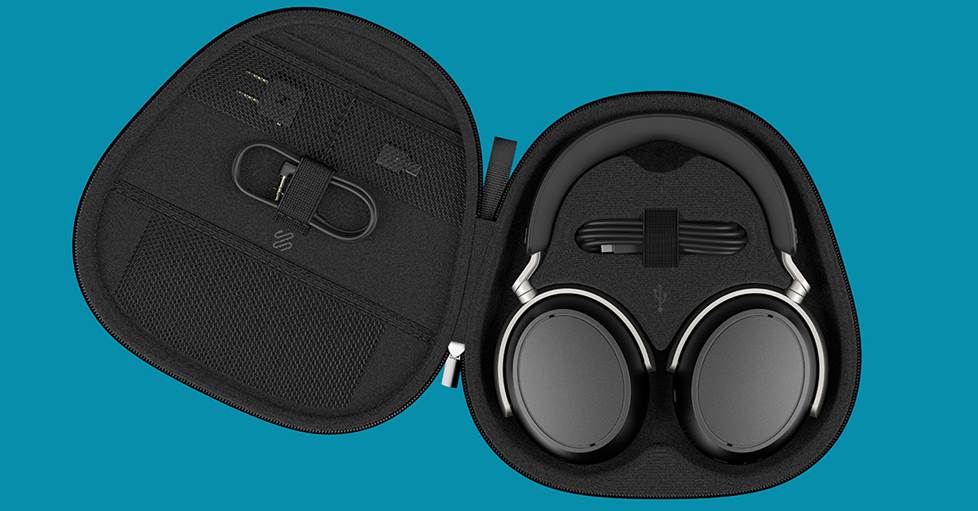
Sennheiser packs more accessories than most inside the oversized travel case — including their BTD 700 Bluetooth transmitter.
From there, it can throw audio to the HDB 630 via aptX or aptX Adaptive, two higher-quality Bluetooth codecs that retain more information. The dongle also includes a new feature called Auracast, that will let you broadcast to other compatible headphones or devices simultaneously.
High-res wired listening options
Sennheiser also included cables for optional wired listening, including a 3.5mm miniplug cable. Just note there's no "passive" listening mode — the headphones need to be charged up even when you listen wired. (And since you're using the circuitry built into the headphones, there's no benefit to connecting to a separate headphone amp.)
You can also plug the included USB-C cable into a compatible phone or computer and bypass that device's audio circuitry. These headphones have an internal DAC that's capable of playing high-resolution audio files.
A front-runner for noise cancellation
Sennheiser's adaptive noise cancellation is near the upper echelon for the category. These headphones silenced my laundry room's noisy appliances — so much so, I had to lift an earcup to make sure my dryer and dehumidifier were both still running. And that was before I even hit play on my music!
These headphones have newer processing and circuitry that work together with four built-in microphones. They can better read external sounds and distractions, then adjust the amount of noise cancellation in real time. A double tap of the right earcup activates "Transparency" Mode. This uses the built-in mics to capture ambient sounds, so you can hear what’s going on around you.

The active noise cancellation is well above average and Transparency mode allows in external sounds and voices naturally, while blocking noise from gusts of wind.
Overall, the noise cancellation is just a notch below the best-of-the-best available (that’s a toss-up between the Sony WH-1000XM6 and the 2nd-gen Bose QuietComfort Ultra). But these headphones are more than capable of quieting plane engines and other steady, low-frequency noises. It allowed me to focus on the sound — which was right in my wheelhouse.
Spacious, well-balanced sound
The 42mm drivers feature transducers made in Sennheiser’s "audiophile center of excellence" facility in Ireland, alongside their other premium models. These are the same quick-moving diaphragms found in the Momentum 4s, but Sennheiser revamped the overall driver construction.
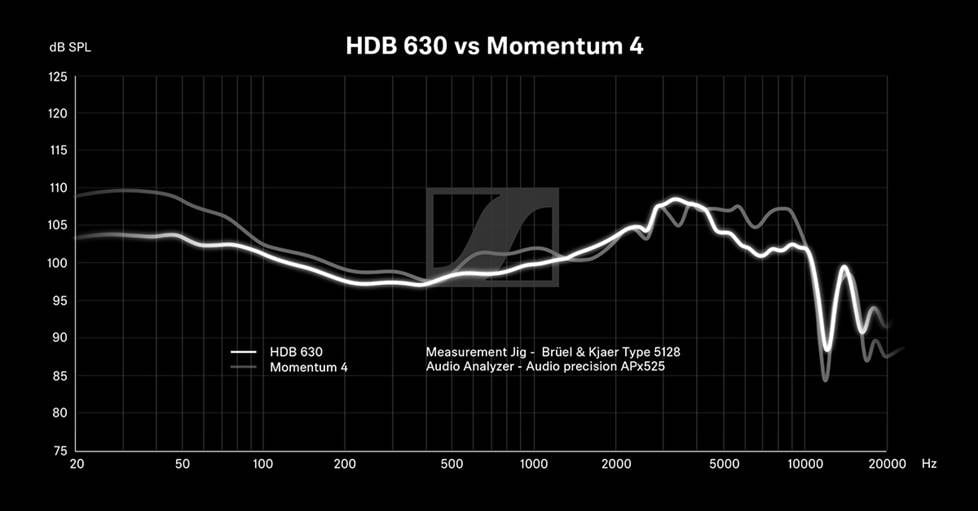
This frequency-response graph compares the HDB 630s vs. Sennheiser's Momentum 4 over-ears — I heard smoother treble, tighter bass, clearer midrange detail, and more overall depth and nuance.
There are new housings, a more transparent baffle, and magnet dampers to help shape, tame, and extend the sound. It sets the soundstage just outside the head and serves up a smooth, airy presentation highlighted by a natural midrange and vocal clarity. Bass is deep and well controlled while highs lend musical detail without harshness.
Professional level of personalization, including parametric EQ
Sennheiser also offers a granular level of control over the sound that's beyond anything I've seen in a major headphone release. These are the kind of equalization and tuning options I’ve clamored for — and pleaded for — over the years. Ironically, they come packaged with a set of headphones that don’t need many sonic adjustments for my taste.
You can fine-tune the sound to your liking with Sennheiser's advanced EQ inside their optional SmartControl Plus app for Apple and Android. And it’s a headphone fanatic’s playground. You’ll find sound modes presets based on genre, or you can use an above-average graphical EQ that lets you adjust the gain at a fixed range of frequency bands.
And then there’s the next-level option — Sennheiser’s parametric EQ. This is a completely adjustable equalization tool that lets you dial in the gain, frequency, and bandwidth. You control it all through a series of sliders, filters, and slope adjustments right on your phone’s touchscreen. There are basically no limits; you’re in full control.
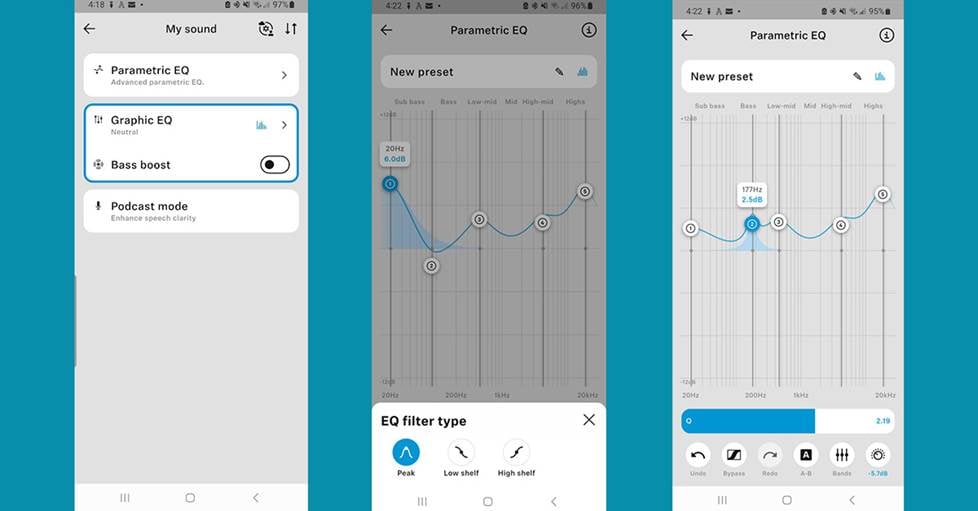
Fellow audio DIYers: Sennheiser offers the level of fine-tuning and tweaking we always wanted — but be careful with all this newfound power!
To be honest, you get so much flexibility that you run the risk of “breaking” things or getting caught in a never-ending game of sonic “whack-a-mole.” (Okay, maybe I should only speak for myself.) Luckily, there’s a quick “A/B test” button that lets you quickly revert to earlier settings and hear the difference. Or if you’re really lost, you can abandon the whole thing and start from scratch.
Listening impressions
I was grateful to have all the extra EQ options but ended up leaving things alone for the most part — I dig the Neutral sound mode that’s default out of the box, minus the bass boost. (I thought there was plenty of tight, complementary low-end without it.)
Sometimes in headphones with a wider presentation, the vocals can come off as veiled or recessed. Here, that's not a problem. I played music that spanned all vocal registers — occasionally at once — and they sounded prominent, centered, and natural.
Clarity for complex midrange and vocals
On the somber, piano-driven track “Lake George” by The Favors, singer/songwriter Ashe starts with a soft, whispery delivery before she’s joined in harmony with Finneas, Billie Eilish’s brother. These dreamy, juxtaposed vocals mingle together well through these headphones, even as you can pick out each distinctly.
The arrangement spins a haunting, intimate lullaby before the song culminates with the two belting out in dramatic vulnerability. Meanwhile strings, drums, and transients cut through the haze — all sounding quick and palpable without overwhelming each other.
Listening with the BTD 700 adapter
To me, the BTD 700 Bluetooth transmitter is a “nice to have,” but I found myself pairing directly with my phone more often. I will say the dongle was easy to use — essentially plug and play, if there is such a thing — but the headphones performed so well with my phone’s Bluetooth connection that I didn’t detect a major jump in sound quality.
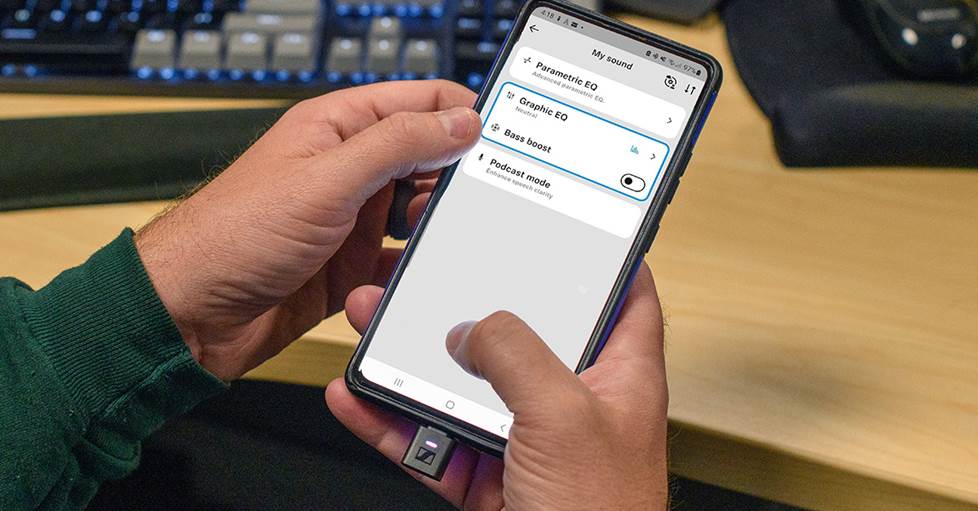
The BTD 700 Bluetooth transmitter adds aptX Adaptive and Auracast to devices that don't have them.
Part of that is that my Android phone’s operating system already resamples all audio before it even gets to the BTD 700, even if I’m listening to Spotify Lossless or streaming high-res from Qobuz. That said, if you don’t have a device that supports aptX Adaptive or Auracast — and most phones don’t yet — it’s nice to have this included.
Wired listening via USB-C
I did, in fact, prefer listening with a wired connection to my laptop at work — I was at my desk anyways, so sound quality mattered more than wireless freedom. The Qobuz desktop app for Windows PC allows for a direct “WASAPI” connection to the headphones, essentially bypassing the computer’s DAC and using the one inside the HDB 630 headphones.
Waylon Jennings’s Songbird album came through with an extra level of tactility. Qobuz says the songs in this new collection are “sourced from a trove of high-resolution transfers of multitrack material recorded between 1973 and 1984” that Waylon’s son Shooter unearthed.

Listening wired or wirelessly, the Sennheiser HDB 630s are in that rare air of headphones where it didn't feel like I had to compromise on the sound.
While most of the backing band did their part in 2025, tracks like “(I Don’t Have) Any More Love Songs” sound so cohesive and well-placed within the HDB 630’s soundstage, it was as if they were all performing right in front of me. Waylon’s warbly baritone sits dead center while percussion snaps, the steel guitar soars to the left, and the harmonica enters from the right with a start.
Speaking of posthumous albums, I put on Mobb Deep’s Infinite to test out the bass. Havoc, the surviving member of the legendary hip-hop group, produced the track “Pour the Henny” with a gritty east-coast boom-bap foundation topped with a classical choir.
Within these two extremes, late emcee Prodigy’s gravelly vocals blend in naturally. It never sounds like the older recordings were forced into the mix — and it avoids the dreaded “rapping over a backtrack” effect you get in lesser headphones. Through it all, the bass punched with swiftness and power that punctuated the track.
Sennheiser HDB 630 details
- closed-back, over-the-ear design with adaptive noise cancellation
- driver design and sound tuning inspired by the legendary HD600 series
- Bluetooth 5.2 with aptX® HD, aptX Adaptive, aptX, and AAC decoding
- streamlined build and design with secure, relaxed fit and protein leatherette headband liner
- includes Sennheiser's BTD 700 USB-C Bluetooth transmitter with Auracast, aptX Lossless, and aptX Adaptive
- professional-level parametric EQ for fine-tuning sound (mobile app required)
- 60 hours of wireless use with noise cancellation
- 10-minute quick charge provides enough power for 7 hours of listening
Need more help? Contact us!
Have questions about how the Sennheiser HDB 630 wireless noise-canceling headphones compare to others? Contact us today.
Our expert Advisors know headphones inside and out. And free lifetime tech support is included with your Crutchfield purchase.



Comments (0)