
Sonos Arc and Era 300 system review
Our editor tests out a wireless 7.1.4 surround sound system from Sonos

In this article: I’ll review review an Atmos-capable Sonos wireless surround sound system that includes...
See my impressions of how it works for home theater and music, plus some handy placement and tuning tips.
S
onos offers a simple and stylish way to stream audio all over your home using your Wi-Fi network. You can play a different song on each speaker or sync the same tune everywhere. You can even enjoy the enveloping sound of Dolby Atmos in your living room with a system like the one I tested.
Sonos Arc — an excellent Atmos-capable sound bar
Sonos makes several of our most popular and well-reviewed sound bars, but the Atmos-capable Arc is their flagship model. In addition to eleven built-in speakers — including pairs of side-firing and up-firing drivers — it has advanced signal processing to create a multi-dimensional soundstage full of depth and detail.
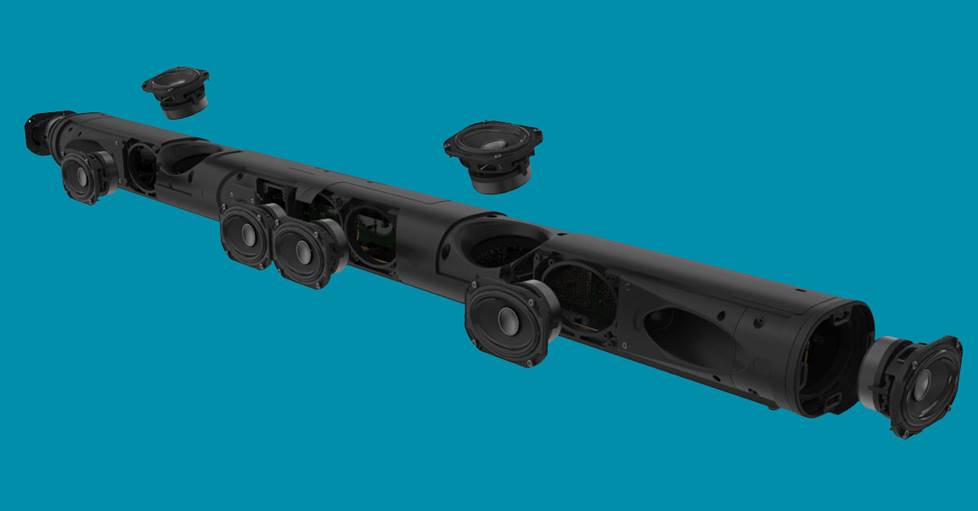
Arc's eleven precisely angled drivers create a wide and engaging soundstage.
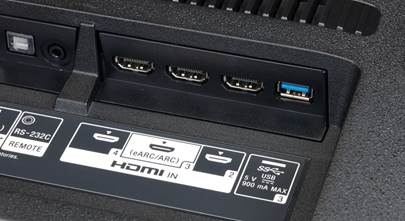
If you have a newer TV, it should be easy to take advantage of Arc’s Atmos capabilities with a simple one-cable HDMI connection between your eARC-equipped TV and the single port on Arc. Connected this way, the Atmos signal can be passed via lossless Dolby TrueHD — the format used on Blu-ray discs.
And if your TV doesn’t have eARC? You might still be able to get Atmos. Some TVs can pass an Atmos signal over a regular ARC connection via Dolby Digital Plus. This lower-bandwidth surround sound format is used by streaming services like Netflix and Amazon.
The Netflix app currently requires that your TV or streaming device be able to natively decode Atmos (instead of just passing it through to an Atmos-capable sound bar).
But don’t rule out this bar if your TV can’t pass Atmos at all. I reviewed Arc when it first came out in 2020, and the older TV I had then couldn’t pass Atmos, but I still loved Arc. When Arc isn’t getting an Atmos signal, the upward-firing drivers adjust to deliver more low-end frequencies.
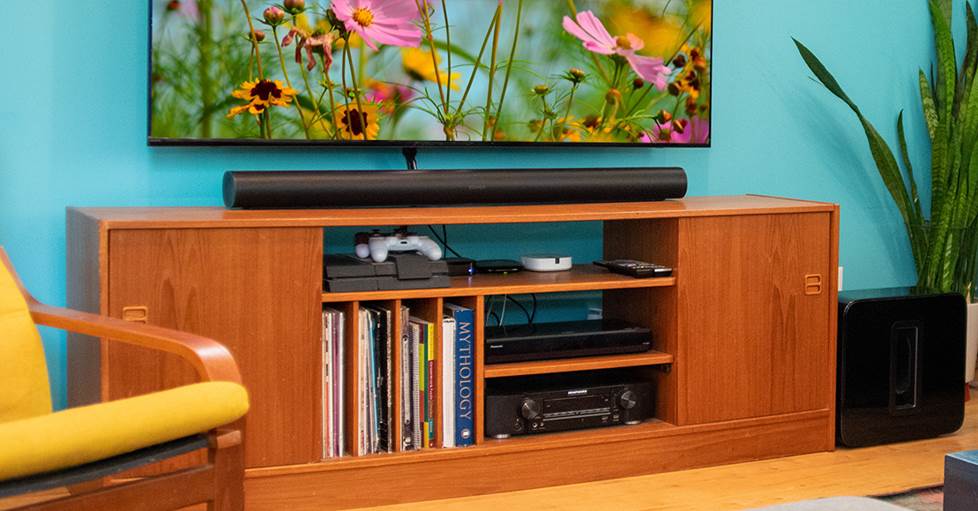
One undeniable benefit of this Sonos system is its sleekness. It's way more streamlined than the boxy speakers and subwoofer in my regular 3.1-channel setup.
Sonos Sub — an impressive wireless subwoofer
Arc sounds really great by itself — better than most bars I’ve tested. But I also appreciate that it’s very easy to add the Sonos Sub into the system if you decide you need a bit more.
When you do this, the Sub takes on the lowest frequencies — leaving Arc’s amplifiers free to drive more high and midrange frequencies. This makes all your content sound fuller.
The Sonos Sub is narrow, wireless, and can even be placed horizontally under a couch if you need. Its streamlined, modern design makes it easier to find a spot for than a traditional sub.
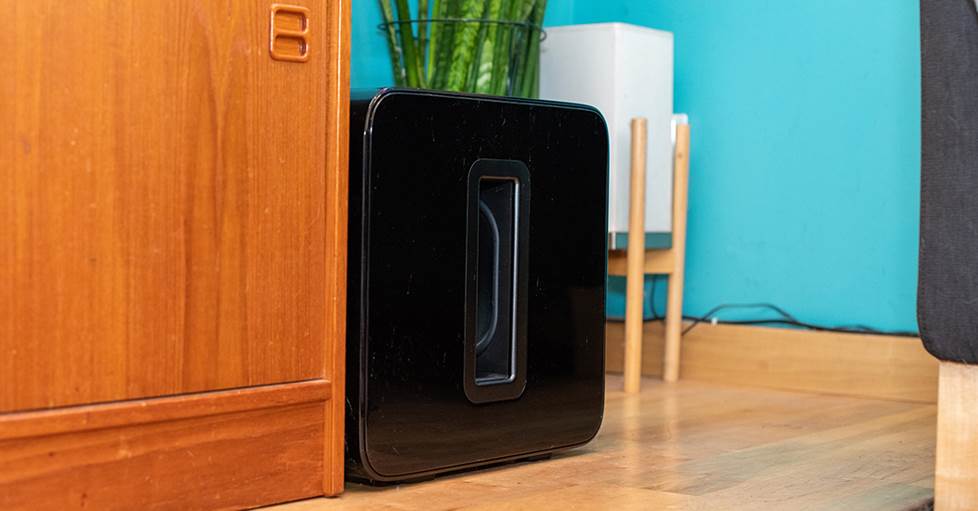
The Sonos Sub is shiny and beautiful (and may require frequent cleanings if you have pets).
Sonos Era 300 — a versatile Atmos-capable surround speaker
The Era 300 uses four tweeters with custom waveguides and two woofers to disperse the sound straight ahead, to the left and right, and overhead. That means a single Era 300 used alone can create a three-dimensional soundstage that’s perfect for spatial audio formats including Dolby Atmos Music. You can also pair two together for bigger, more enveloping sound.
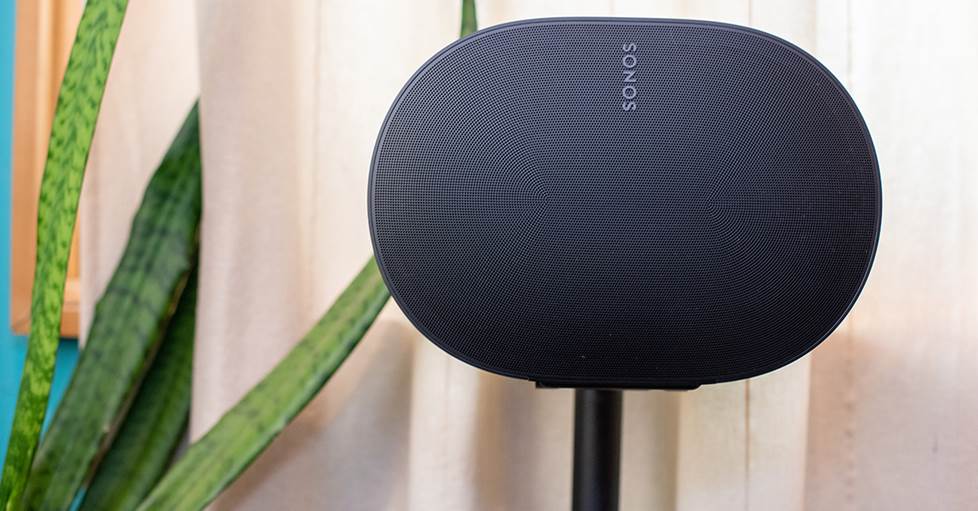
The Sonos Era 300 is designed for immersive audio formats such as Dolby Atmos.
Or, you can do what I did and use a pair of Era 300s as rear speakers in an Arc surround system. They connect wirelessly to Arc, so you don’t have to run any wires across your room — just plug them in for power. And these sturdy stands hide the cords for a tidy installation.
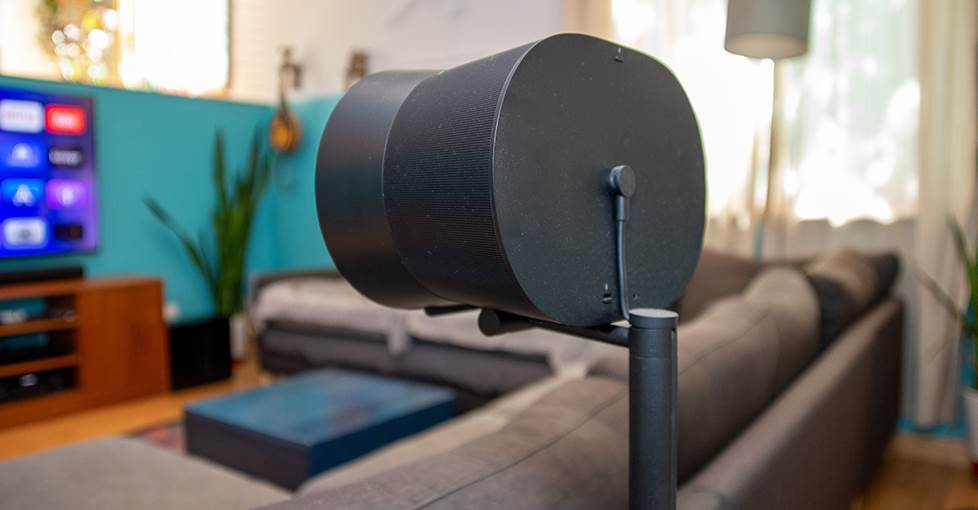
The Sonos Era 300 stands put your Era 300s at the optimal height for most living rooms and offer a tidy, cord-hiding installation.
An elegant 7.1.4-channel system
Arc’s angled drivers and processing create a fairly big soundstage on their own, but it is much deeper and wider when you add the Era 300 surrounds and the Sub.
The Batman
A classic Atmos test is rain, so my first movie was The Batman because it’s always raining in Gotham City. Sure enough, this film offered everything from drizzle to deluge, and it did occasionally make me check outside to make sure it wasn’t raining here in Charlottesville.
But the real jaw-dropper was the car chase with the Penguin. It combined the downpour with the sound of pallets and other debris raining down on the cars from overhead. It’s intense, and you really feel like you’re in the middle of it with this system.
Top Gun: Maverick
I tried this system out over about five months, and I watched a lot of different content. One of my favorites was Top Gun: Maverick. I’d seen it twice in the theater, so I didn’t really intend to watch the whole thing. But I just couldn’t turn it off.
It was made with Atmos in mind, and you can tell. The movie is great from start to finish, but the 10-minute climax where they are on the mission is an incredible scene for Atmos. It has tons of aerial maneuvers and missiles you can hear moving through the soundfield. When combined with the soundtrack, it’s enough to give you chills on a good system like this one.
Note: Make sure to check the Sonos app after you start a movie — it should say Dolby Atmos if you are getting a proper Atmos signal. Some services are better for streaming Atmos content than others. I found myself on Apple TV+ a lot because of the selection of content with Dolby Atmos and Dolby Vision. Of course, for the very best picture and sound quality, you’ll probably want to use a Blu-ray player.
A great system for music, too (especially 3D audio tracks)
Spatial audio (also called 3D music) has been made for or remixed to take advantage of Atmos-capable systems. I listened to some of these tracks on Apple Music to see how the Arc/Era surround system performed.
R.E.M., Automatic for the People
I listened to so much R.E.M. in high school, especially this album. I wanted to see if the remastered 25th anniversary Atmos release felt different.
Right off the bat in the opening track “Drive,” it was like listening to this album for the first time. I could hear the count in so clearly over my right shoulder. The separation of the instruments in space felt so precise. And the strings! They made it feel like my living room was a performance space.
Steven Wilson, The Harmony Codex
I’ll admit this one wasn’t on my radar. It was recommended by my colleague when I told him I was testing this system, and I can see why. This 2023 release seems clearly created with Atmos in mind. I felt very much in the middle of a 360-degree bubble of sound. If you really want to show off your Atmos system, check out "Impossible Tightrope" (track 4). It's a wild ride.
Note: I tried listening to Atmos music a few different ways. Spatial audio tracks sounded the best when I played them through the Apple Music app on my Apple TV 4K. They just sounded more full to my ear than when I played them through the Sonos app. Using AirPlay will not pass an Atmos signal, so I would not recommend using that for spatial audio.
Placement and tuning tips
This Sonos system is very easy to set up, but you might need to tweak it a bit in order to get the best sound for your unique space. Here's what worked for me.
Don’t angle the Eras
When I first set up the system, I had the Eras angled toward the TV and Arc. But after reading up, I discovered that they are designed to face straight forward (parallel with the TV wall) to optimize those side-firing drivers. Somewhat controversially, the front-firing driver doesn’t fire when the Eras are used as surround speakers.

Unlike most surround speakers, which are angled toward the listener, the Era 300s should face forward.
Trueplay tuning
If you have an iOS device, you can take advantage of Sonos’s Trueplay feature to tune your setup. My living room has a high ceiling, and it opens up into the kitchen on one side. Trueplay used the mic on my iPhone to measure the way sounds were reflected around my space, and then it fine-tuned the system’s output accordingly.
App adjustments
The app offers ways to manually adjust the system as well. There are sliders for the surround audio, with separate options for TV and music. Or you can toggle off the surrounds entirely, which I did during some sporting events as I don’t really enjoy hearing crowd noise behind me.
There’s also a toggle and slider for the sub audio. But I found it was easiest just to enable the “night sound” option in the app using the button with the moon icon. This reduces the intensity of loud sounds that can be scary for some pets (and/or spouses).
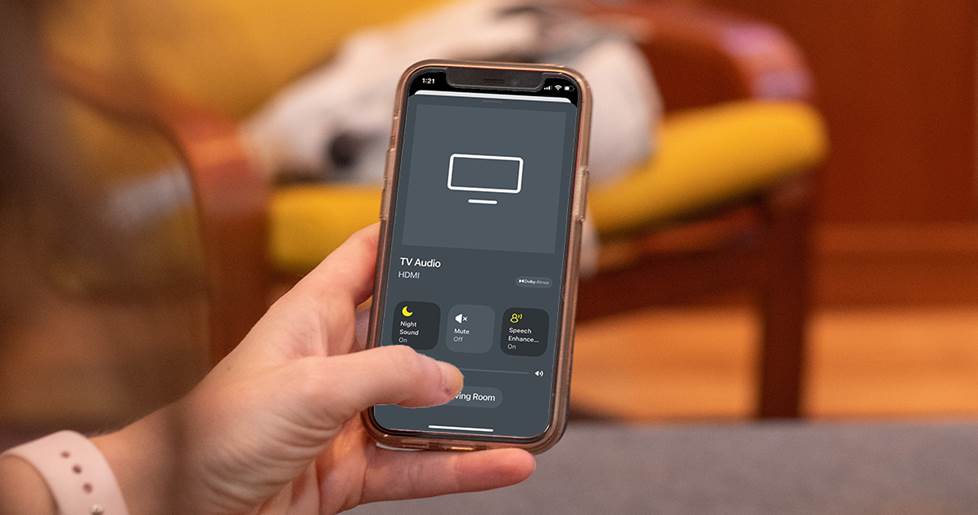
You can select Night Sound, Mute, or Speech Enhancement from the Sonos app when Arc is getting an audio signal from your TV (or devices connected to your TV).
Sonos also included a really helpful speech enhancement option. It's selectable in the Sonos app only when Arc is getting audio from your TV (so you won’t see it there when you are streaming music or other content from the Sonos app). This feature makes dialogue easier to hear and understand.
Final thoughts
I have watched a lot of movies and shows on this system over the last few months and only a handful of them were Atmos. And while some certainly made use of the system better than others, I never really found myself missing my old receiver-based system, though my dogs are a bit freaked out by surround sound, so they might be relieved when we return to our old, less immersive system.
Canine opinions aside, if you are looking for a simple, elegant way to get Atmos at home, this system is hard to beat. I found myself seeking out Atmos movies that I might not normally go for just to see what it could do.
It's also perfect if you want a sound bar system that sounds great with music (and it’s a no-brainer if you already have Sonos).
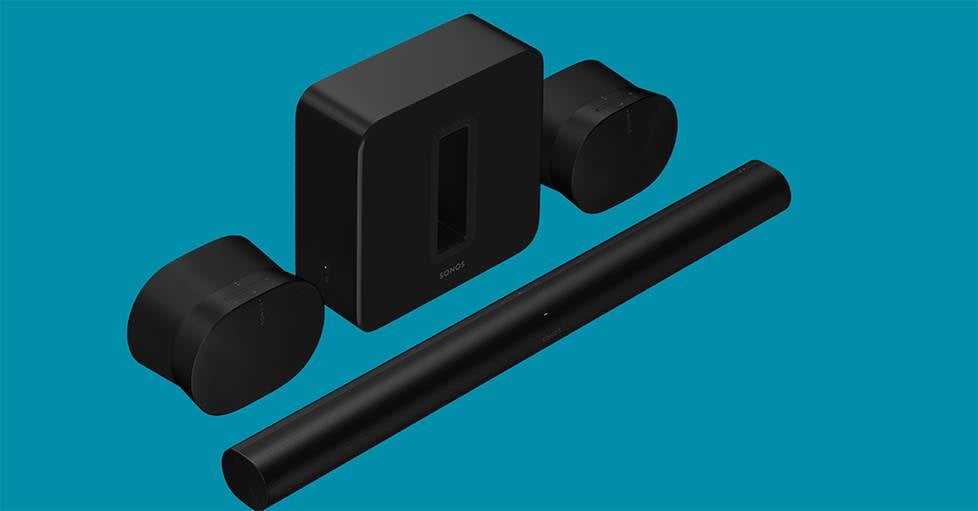
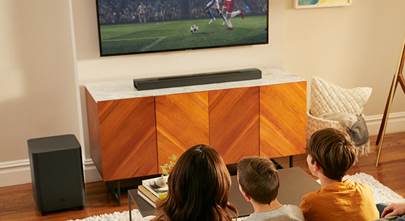
This 7.1.4-channel Sonos system offers immersive Atmos effects in a streamlined package.
Questions? Contact us
If you have questions about Sonos, Atmos, or whether your existing or prospective TV will be able to pass an Atmos signal to this system, drop me a comment or get in touch with one of our knowledgeable Advisors. Free lifetime tech support is included with your Crutchfield purchase.







Comments (0)