Greener by design: Exploring eco-friendly practices at Crutchfield and beyond
How top electronics brands are rethinking materials and manufacturing

Sustainability at Crutchfield isn’t just a talking point — it shows up in the everyday ways we pack, ship, and support your orders. As online shopping keeps growing, we’ve zeroed in on two of the biggest ways we can make a difference: cutting down on packaging waste and making shipping more efficient. By rethinking how we size boxes and how orders move through our fulfillment centers, we’ve been able to reduce excess materials while making shipping smarter and more streamlined.

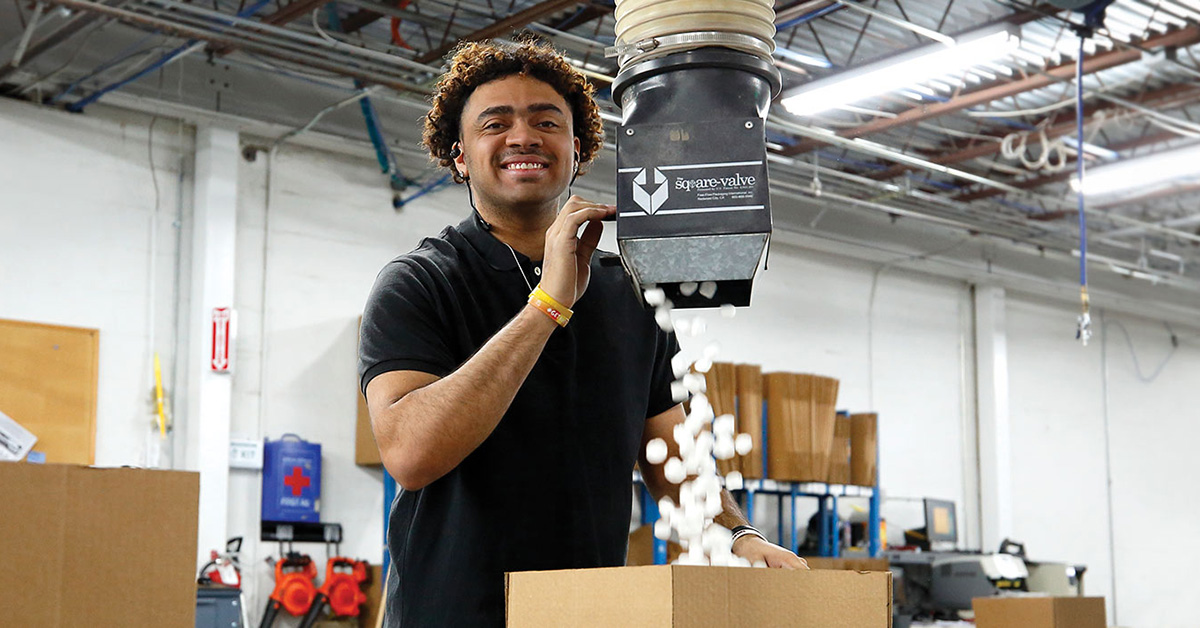
The Packsize boxing machine allows for customized, order-specific shipping boxes — cutting down on costs and waste.
Instead of forcing products into a handful of standard box sizes, we create boxes that actually fit each order. The use of these Packsize boxes mean less cardboard, less filler, and fewer awkward gaps to fill. For the padding we do need, we make our own biodegradable packing peanuts that dissolve in water, giving each order a safer ride while keeping plastics out of the landfill. Better-fitting boxes also let more packages fit on each truck, which helps cut down on fuel use and reduces the number of trucks on the road. Small changes in every shipment add up to big reductions in waste and emissions over time.
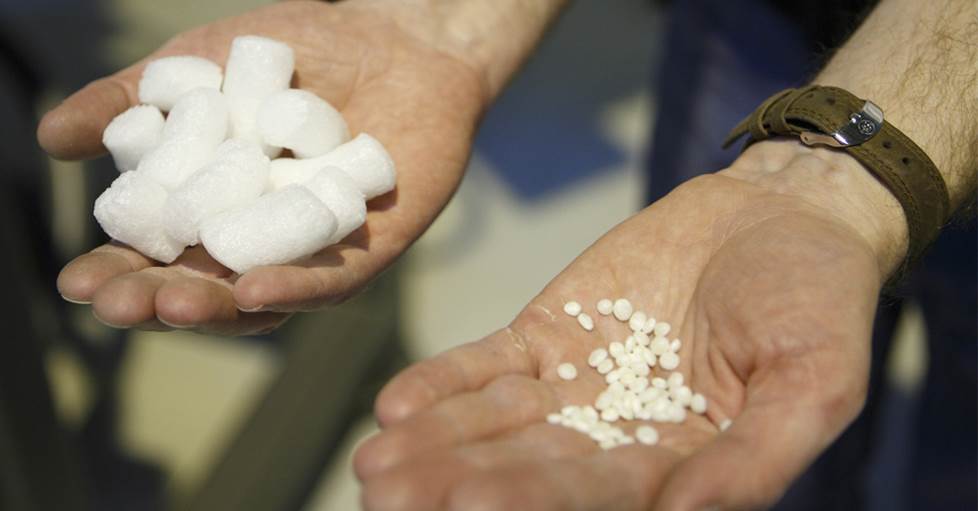
Our biodegradable packing peanuts are "popped" in-house from cornstarch-based pellets — completely safe and even edible.
Our efforts don’t stop once a package leaves the warehouse. We also look at how returns and long-term product use affect the bigger picture. By encouraging customers to reuse packaging for returns and offering free lifetime tech support, we help people keep their gear working longer instead of replacing it prematurely. Making installation and troubleshooting easier means fewer products tossed aside before their time — a simple but powerful way to reduce electronic waste.
Taken together, these changes show how sustainability is built into the everyday Crutchfield experience. Rather than focusing only on what products are made of, we’re improving how products are shipped, supported, and kept in use. It’s a practical, behind-the-scenes approach that proves thoughtful logistics and customer care can make a real environmental difference — one box, one biodegradable peanut, and one satisfied customer at a time.
Sustainable brands
Of course, Crutchfield isn’t the only company making these kinds of efforts. We partner with several brands that have taken sustainability and eco-sensitivity to heart. We’ll start with a few partners making significant impacts, then highlight those who are making meaningful contributions on a less-global scale.
Sony
Sony has made sustainability a core part of its product design for years. Its proprietary “Sustainable Oriented Recycled Plastic” (SORPLAS) transforms used water bottles, old CDs, and other post-consumer plastics into a high-quality material used across a wide range of Sony electronics, including TVs and cameras. By reintegrating these materials, SORPLAS reduces the need for virgin plastics — And because it can be recycled again, it helps keep materials in use longer instead of sending them to landfills.

SORPLAS pellets, manufactured in part from recycled Sony CDs, help turn old materials into new Sony devices.
Beyond materials, Sony has vowed to be more sustainable across manufacturing, packaging, and shipping. Streamlined box designs, smaller, lighter packaging, and more products per pallet have reduced both CO2 emissions and slashed ink usage.
By rethinking how products are built, shipped, and packaged, Sony is cutting waste while maintaining the premium look and feel customers expect — a smart blend of innovation and environmental responsibility.
Samsung
For years, Samsung has been pushing for sustainability across both its products and operations, with goals to reduce their environmental impact but still delivering cutting-edge tech.
Samsung's New Environmental Strategy focuses on cutting emissions and using cleaner energy. The company is working toward net-zero greenhouse gas emissions by 2030 and plans to run on 100% renewable energy by 2027. At the same time, Samsung is lowering its carbon footprint across manufacturing and logistics by using more recycled and renewable materials in products and packaging — including fully recycled paper in boxes and more packaging made from recycled or bio-based materials.

Made from recycled materials and featuring a solar charging panel on the rear, Samsung’s SolarCell TV remote — included with many of their QLED smart TVs — is designed with sustainability in mind.
Samsung also supports refurbishment programs that extend device lifespans, such as Certified Re-Newed. By helping customers keep their tech in use longer, fewer materials end up as waste and more are reused in new gear. Samsung also operates global e-waste take-back and recycling programs. Together, these efforts have earned recognition from the U.S. Environmental Protection Agency for responsible e-waste management and innovative packaging design.
LG
Like Samsung, LG is committed to shrinking its carbon footprint in a big way, leaning harder into renewable energy with a goal of running on 100% renewable power at its global business sites by 2030. They have also dialed back use of virgin plastics, opting instead for recycled plastics and materials. This is just one of the steps LG has put into practice, in their efforts to be more sustainable.

LG uses recycled materials and colorless ink in its packaging, including the shipping cartons for OLED evo TVs.
LG incorporates recycled plastic resin and polyester fabric into parts of its manufacturing process, reducing the need for newly produced materials while minimizing the use of hazardous substances for safer production and easier recycling down the line. LG’s OLED evo TVs, for example, are lighter and more durable — and use up to 40% less plastic than traditional LCD models. That's roughly a 20,000-ton reduction in plastic per year.
And through a global take-back and e-waste recycling program, LG customers can easily and responsibly retire their older products via certified recycling partners — either at designated drop-off locations or through a no-charge mail-in option. Meaning less waste and better sustainability.
Sonos
Recognized by Newsweek as one of America’s Greenest Companies for 2026, Sonos approaches sustainability as a long-term responsibility, not a short-term initiative. By rethinking how products are designed, packaged, and powered throughout their entire lifecycle, Sonos has set clear, measurable goals — including achieving net-zero carbon emissions by 2040. Read more about that here.
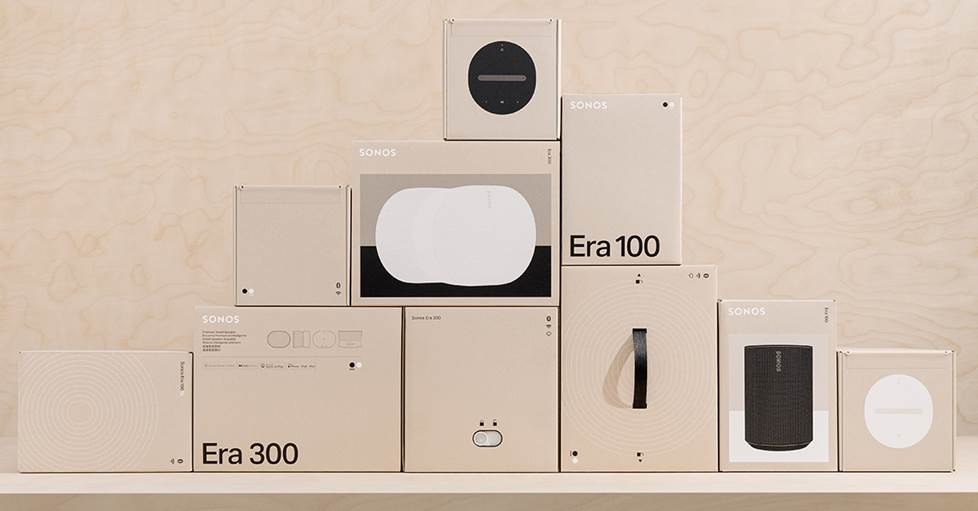
Sonos has reduced its reliance on plastics by using plant-based, recyclable packaging materials.
Packaging is one area where Sonos has made especially visible, award-winning progress. The company now uses Forest Stewardship Council (FSC)–certified fibers, recycled content, and plant-based, recyclable materials, significantly reducing reliance on plastic. These efforts have removed more than 98,000 pounds of plastic from Sonos packaging, all while maintaining durability and protection during shipping.
On the manufacturing side, products like the Arc Ultra, Era 100, and Era 300 speakers, along with the Sonos Ace headphones, have all earned SCS Recycled Content Certification for their significant use of recycled plastics and aluminum. The Arc Ultra, in particular, is set to increase its recycled material content from just 5% to more than 40% by July 2026, further reducing dependence on virgin plastics.
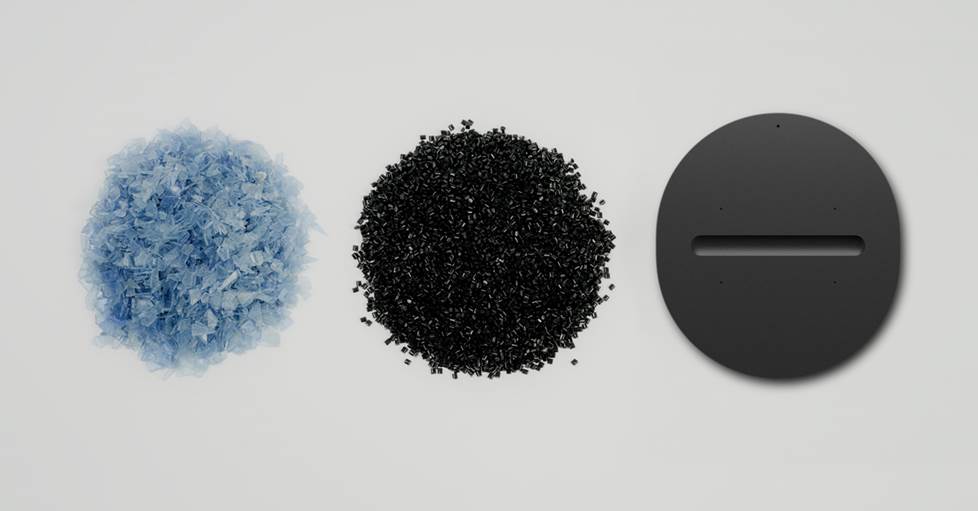
Sonos’ use of recyclable materials — like those found in the Era 100’s end cap — is a key part of its sustainability model.
Sonos's Certified Refurbished and product upgrade programs extend the life of its gear while supporting a more circular economy. Beyond the products themselves, Sonos continues to make a global impact through its ongoing support of 1% for the Planet, including donating proceeds from Certified Refurbished product sales — reinforcing its commitment to broader environmental and social goals.
Apple
Apple's sustainability mantra is simple: use less energy, waste less stuff, and make things that last longer. Their big goal, called Apple 2030, is about getting their entire footprint — from making devices to shipping them to charging them — as close to carbon-neutral as possible. That means factories running on clean energy, fewer emissions from transportation, and products designed to sip power instead of guzzle it.
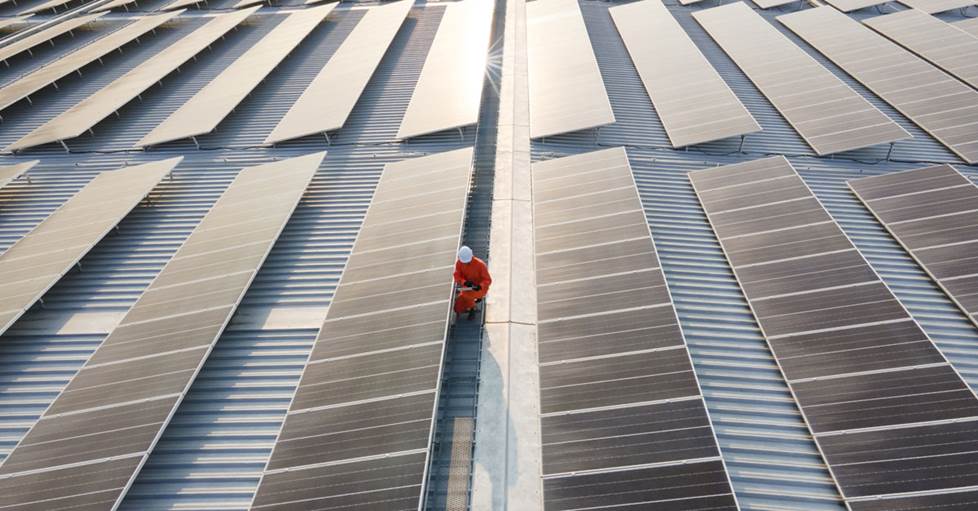
Apple has cut its global greenhouse emissions by over 60%, thanks in part to the use of sustainable energy like solar.
In 2024, Apple made major environmental strides. Its Supplier Clean Energy Program helped avoid 21.8 million metric tons of CO2e (Carbon dioxide equivalent) emissions, while 24% of the materials in Apple products came from recycled or renewable sources. All Apple-designed batteries now contain 99% recycled cobalt, and its Zero Waste Program diverted 3.6 million metric tons of supplier facility waste from landfills.
Through the Restore Fund, Apple restored 150,000 acres of sustainably certified forests and protected 100,000 acres of native ecosystems. On top of that, the Supplier Clean Water Program saved 14 billion gallons of freshwater — demonstrating Apple’s measurable and meaningful commitment to the planet.
A big part of that effort happens inside the products themselves. Apple now uses more recycled materials than ever, including aluminum, rare earth elements, and even gold pulled from old devices. Devices like Apple TVs use recycled aluminum, and AirPods incorporate recycled plastics, while their packaging has gone almost entirely fiber-based — ditching plastic wherever possible. They’ve also built specialized robots that take old iPhones apart piece by piece, recovering valuable materials so they can be reused instead of buried in a landfill.

Using recycled aluminum in Apple TV means more sustainable manufacturing and less material ending up in landfills.
Apple also offers a robust trade-in and recycling program that accepts both Apple and non-Apple products. This helps keep electronics out of landfills and supports a more circular economy, making it easier for customers to upgrade responsibly while reducing overall electronic waste.
Technics
Technics (under the umbrella of their parent company Panasonic) has taken meaningful steps to reduce plastic waste by replacing the standard Styrofoam packaging — commonly used for turntable shipping — with corrugated cardboard.

Technics' use of recycled packing materials helps cut back on the use of plastics and Styrofoam.
The first Technics' product to showcase this change is the SL-1300G-K turntable, marking a major step forward for the brand’s sustainability efforts. This change has cut the brand’s plastic use by an impressive 70%, significantly lowering the environmental footprint of its packaging.
Salamander Designs
Salamander Designs creates its furniture with both style and sustainability in mind. The company uses wood from managed forestry programs, recycled aluminum, and environmentally friendly finishes, resulting in products that are "built for life, not a landfill."
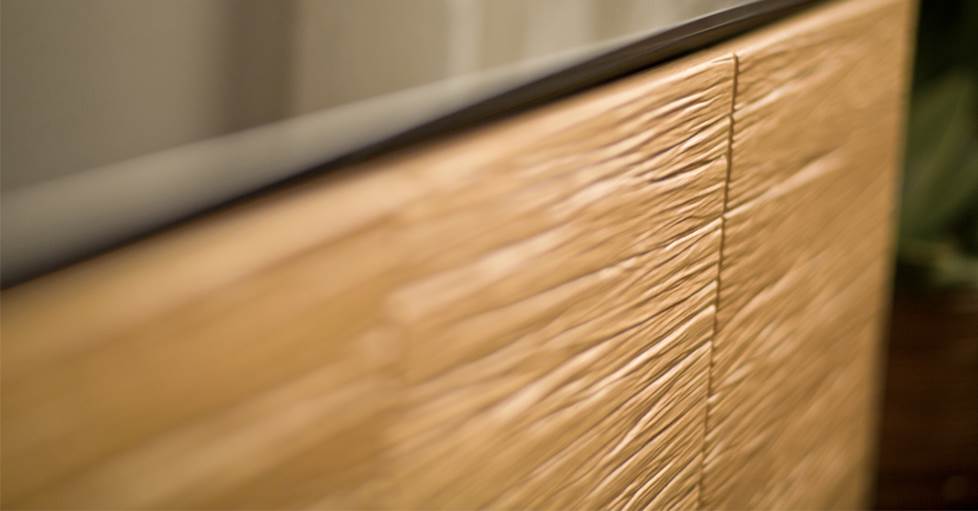
Salamander’s use of sustainable wood and eco-friendly finishes means long-lasting quality with less waste along the way.
Even more impressive, Salamander operates using a 100% solar-powered manufacturing process, resulting in net-zero energy consumption. These steps have earned the company both RoHS (Restriction of Hazardous Substances) and CARB (California Air Resource Board) certifications.
By thoughtfully sourcing materials and harnessing renewable energy, Salamander demonstrates how smaller brands can make a meaningful impact — creating products that are not only durable and beautiful, but built with the planet in mind.
A better way forward
These are just a handful of the brands making meaningful strides toward more sustainable technology. We’ll continue watching for emerging brands, innovative materials, and practices that push the boundaries of sustainability — spotlighting ideas that are redefining what eco-conscious technology can be.
With smarter materials, better manufacturing practices, and a growing focus on longevity, green-minded companies shape a future where great performance and environmental responsibility go hand in hand.
Ready to shop greener?
Whether you’re focused on long-lasting performance, efficient design, or simply getting the right gear the first time, our Advisors are here to help. Contact us — we’ll help you build a system you’ll love (and use) for years to come.
And if you ever run into an issue, every product comes with lifetime Tech Support. We’re here to help keep your gear up and running — so it can stay out of the landfill and in your listening room where it belongs.









Comments (0)